






 LATEST ART BOOKS
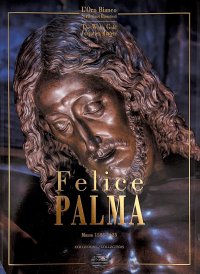
Felice Palma. Massa 1583-1625. Collezione / Collection.
Texts by Claudio Casini, Andrei Cristina, Ciarlo Nicola, Federici Fabrizio and Sara Ragni.
Italian and English Text.
Pontedera, 2024; bound in a case, pp. 289, b/w and col. ill., b/w and col. plates, cm 24,5x34.
(L'Oro Bianco. Straordinari Dimenticati. The White Gold Forgotten Masters).
cover price: € 160.00
|
Books included in the offer:
Felice Palma. Massa 1583-1625. Collezione / Collection.
Texts by Claudio Casini, Andrei Cristina, Ciarlo Nicola, Federici Fabrizio and Sara Ragni.
Italian and English Text.
Pontedera, 2024; bound in a case, pp. 289, b/w and col. ill., b/w and col. plates, cm 24,5x34.
(L'Oro Bianco. Straordinari Dimenticati. The White Gold Forgotten Masters).
FREE (cover price: € 160.00)
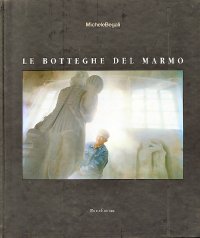
Le botteghe del marmo
Italian and English Text.
Ospedaletto, 1992; bound, pp. 153, 10 b/w ill., 60 col. ill., cm 24x29.
(Immagine).
FREE (cover price: € 34.49)
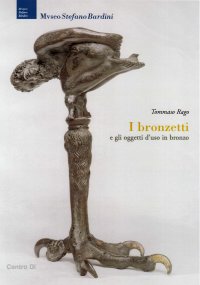
Museo Stefano Bardini. I Bronzetti e gli Oggetti d'Uso in Bronzo
Edited by Nesi A.
Firenze, 2009; paperback, pp. 191, 102 b/w ill., 7 col. ill., cm 17x24,5.
(Museo Stefano Bardini).
FREE (cover price: € 30.00)
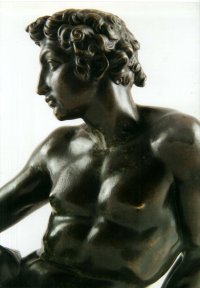
Bronzetti e Rilievi dal XV al XVIII Secolo
Bologna, 2015; 2 vols., bound in a case, pp. 729, ill., col. plates, cm 21,5x30,5.
FREE (cover price: € 90.00)
Food in Antiquity
Liverpool University Press
Liverpool, 1995; paperback, pp. 473, cm 21x23.
ISBN: 0-85989-418-5 - EAN13: 9780859894180
Subject: Essays on Ancient Times
Period: 0-1000 (0-XI) Ancient World
Languages: 
Weight: 1.38 kg
In this volume thirty contributors consider aspects of food and eating in the Greco-Roman world. This is the most comprehensive exploration of questions relating to food in antiquity in this country. The authors, some specialists in this field, others with expertise in other areas, use a range of approaches to investigate the production and distribution of food, social, religious and political factors, medicine and diet, cultural identity and contrasts with neighbouring cultures, and food in literature. The volume is designed for both Classicists and those interested in the history of food.
The aim is both to illuminate and to entertain, and at the same time to remind the reader that the Greeks and Romans were not only philosophers and rulers of empires, they were also peasant farmers, traders and consumers of foods who considered that what and how they ate defined who they were.

Pietro Bellotti Detto Canaletty. Un Vedutista Veneziano nella Francia dell'Ancien Régime
Il surrealismo piemontese. Lorenzo Alessandri, incisore e pittore. Ediz. illustrata

Conte e Mattarella. Sul palcoscenico e dietro le quinte del Quirinale. Un racconto sulle istituzioni
