






 LATEST ART BOOKS
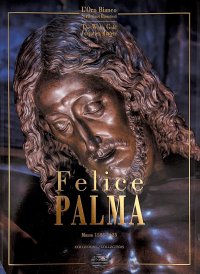
Felice Palma. Massa 1583-1625. Collezione / Collection.
Texts by Claudio Casini, Andrei Cristina, Ciarlo Nicola, Federici Fabrizio and Sara Ragni.
Italian and English Text.
Pontedera, 2024; bound in a case, pp. 289, b/w and col. ill., b/w and col. plates, cm 24,5x34.
(L'Oro Bianco. Straordinari Dimenticati. The White Gold Forgotten Masters).
cover price: € 160.00
|
Books included in the offer:
Felice Palma. Massa 1583-1625. Collezione / Collection.
Texts by Claudio Casini, Andrei Cristina, Ciarlo Nicola, Federici Fabrizio and Sara Ragni.
Italian and English Text.
Pontedera, 2024; bound in a case, pp. 289, b/w and col. ill., b/w and col. plates, cm 24,5x34.
(L'Oro Bianco. Straordinari Dimenticati. The White Gold Forgotten Masters).
FREE (cover price: € 160.00)
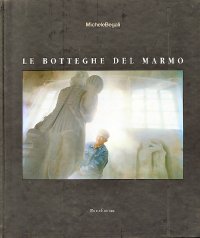
Le botteghe del marmo
Italian and English Text.
Ospedaletto, 1992; bound, pp. 153, 10 b/w ill., 60 col. ill., cm 24x29.
(Immagine).
FREE (cover price: € 34.49)
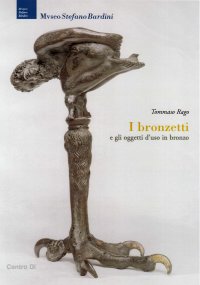
Museo Stefano Bardini. I Bronzetti e gli Oggetti d'Uso in Bronzo
Edited by Nesi A.
Firenze, 2009; paperback, pp. 191, 102 b/w ill., 7 col. ill., cm 17x24,5.
(Museo Stefano Bardini).
FREE (cover price: € 30.00)
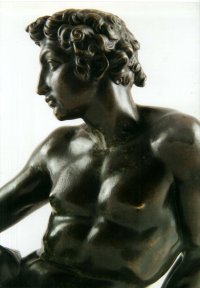
Bronzetti e Rilievi dal XV al XVIII Secolo
Bologna, 2015; 2 vols., bound in a case, pp. 729, ill., col. plates, cm 21,5x30,5.
FREE (cover price: € 90.00)
Greekness and Otherness Beyond the Stereotype. Athens, Sparta, Thebes
Occhipinti Egidia
Edizioni dell'Orso
English Text.
Alessandria, 2023; paperback, pp. 380, cm 17x24.
(Studi di Storia Greca e Romana. 22).
series: Studi di Storia Greca e Romana
ISBN: 88-3613-382-7 - EAN13: 9788836133826
Languages: 
Weight: 0.56 kg
The book suggests a literary and relativist approach to the issue. It wants to problematise and raise questions, moving beyond rigid interpretative schemas. Therefore, it will discuss the stereotypes that developed about people in ancient times, and which are found in classical authors (poets, historians, orators). The overturning of those stereotypes occurring within the Greek literary tradition is considered, with a special focus on authorial intention and reader response. Case studies are offered on the Athenians, Spartans, and Thebans, and their self-representation

Pietro Bellotti Detto Canaletty. Un Vedutista Veneziano nella Francia dell'Ancien Régime
Il surrealismo piemontese. Lorenzo Alessandri, incisore e pittore. Ediz. illustrata

Conte e Mattarella. Sul palcoscenico e dietro le quinte del Quirinale. Un racconto sulle istituzioni
