






 LATEST ART BOOKS
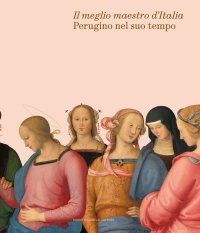
Perugino e il Suo Tempo. "Il Meglio Maestro d'Italia"
Perugia, Galleria Nazionale dell'Umbria, March 4 - June 11, 2023.
Edited by Picchiarelli V. and Pierini M.
Milano, 2023; bound, pp. 592, 650 col. ill., cm 24x21.
cover price: € 40.00
|
Books included in the offer:
Perugino e il Suo Tempo. "Il Meglio Maestro d'Italia"
Perugia, Galleria Nazionale dell'Umbria, March 4 - June 11, 2023.
Edited by Picchiarelli V. and Pierini M.
Milano, 2023; bound, pp. 592, 650 col. ill., cm 24x21.
FREE (cover price: € 40.00)
Michele Rocca e la pittura rococo a Roma
Brescia, 2004; bound in a case, pp. 310, b/w and col. ill., tavv., cm 24,5x31,5.
FREE (cover price: € 180.00)
Cucinare per gli amici
Translation by S. Mancuso.
Milano, 2012; clothbound, pp. 269, ill., cm 21x26,5.
(Gli Illustrati).
FREE (cover price: € 29.90)
Painting for the Market. Commercialisation of Art in Antwerp's Golden Age
Brepols Publishers
English Text.
Turnhout, 2003; paperback, pp. 208, 19 b/w ill., cm 18x25.
(Studies in European Urban History. 2).
series: Studies in European Urban History.
ISBN: 2-503-51381-6 - EAN13: 9782503513812
Subject: Essays (Art or Architecture)
Period: 1400-1800 (XV-XVIII) Renaissance
Places: Europe
Languages: 
Weight: 0.62 kg
Focusing on painting and to some degree on other art forms such as sculpture and tapestry, the author surveys the various factors that contributed to this phenomenon: proto-industrial workshops engaged in standardized production of popular images, and the sophisticated commercial infrastructure that the city could boast allowed art to be sold wholesale to an international clientele at the panden (specialized sales halls). However, the flourishing of the art market was ultimately a direct result of the increased demand for luxury goods, both foreign and domestic, and Antwerp was essentially the locale where supply and demand for art converged.
The booming art market led to increased commodization of works of art; art dealers entered on the scene and further professionalized the art trade during the second half of the sixteenth century. In painting, commercialization led to a diversification of the genres, a form of product innovation that generated new demand. Clearly, Antwerp's pivotal position in the European trade network and its pioneering role in introducing capitalist commercial techniques had transformed the way art was marketed and produced.
The outbreak of the Dutch Revolt during the last third of the sixteenth century severely disrupted the economy of the Southern Netherlands, and as a result, the Antwerp art market collapsed in the mid-1580s. However, in the difficult closing years of the sixteenth century, a transformation process began to take shape in which the foundations were laid for yet a new era of cultural eminence for the city of Antwerp.

Pietro Bellotti Detto Canaletty. Un Vedutista Veneziano nella Francia dell'Ancien Régime
Officina Zanon 1946-2026. 80 anni di sapere artigiano-80 Years of craft knowledge. Ediz. bilingue

Conte e Mattarella. Sul palcoscenico e dietro le quinte del Quirinale. Un racconto sulle istituzioni
