






 LATEST ART BOOKS
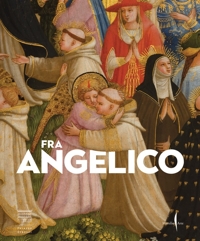
Beato Angelico. Ediz. a colori
Firenze, Palazzo Strozzi, September 26, 2025 - January 25, 2026.
Edited by Carl Brandon Strehlke.
Testi di Stefano Casciu, Marco Mozzo, Angelo Tartuferi.
Venezia, 2025; hardback, pp. 440, 300 col. ill., cm 25,2x29,8.
cover price: € 80.00
|
Books included in the offer:
Beato Angelico. Ediz. a colori
Firenze, Palazzo Strozzi, September 26, 2025 - January 25, 2026.
Edited by Carl Brandon Strehlke.
Testi di Stefano Casciu, Marco Mozzo, Angelo Tartuferi.
Venezia, 2025; hardback, pp. 440, 300 col. ill., cm 25,2x29,8.
FREE (cover price: € 80.00)
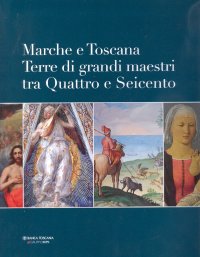
Marche e Toscana. Terre di grandi maestri tra Quattro e Seicento
Ospedaletto, 2007; bound, pp. 320, col. ill., col. plates, cm 25,5x29.
FREE (cover price: € 77.00)
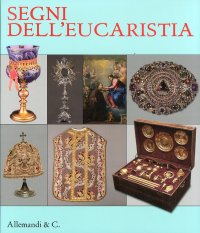
Segni dell'Eucarestia
Edited by M. Luisa Polichetti.
Ancona, Osimo, Loreto Jesi, Senigallia, Fabriano e Metelica, 23 giugno - 31 ottobre 2011.
Torino, 2011; paperback, pp. 221, b/w and col. ill., cm 24x28.
FREE (cover price: € 32.00)
Technologies of Enchantment? Exploring Celtic Art. 400 bc to ad 100
Garrow Ducan - Chris Gosden
Oxford University Press
Oxford, 2012; hardback, pp. 408, ill., cm 17x24.
ISBN: 0-19-954806-4 - EAN13: 9780199548064
Subject: Essays on Ancient Times
Languages: 
Weight: 0.68 kg
While Celtic art includes some of the most famous archaeological artefacts in the British Isles, such as the Battersea shield or the gold torcs from Snettisham, it has often been considered from an art historical point of view. Technologies of Enchantment? Exploring Celtic Art attempts to connect Celtic art to its archaeological context, looking at how it was made, used, and deposited. Based on the first comprehensive database of Celtic art, it brings together current theories concerning the links between people and artefacts found in many areas of the social sciences. The authors argue that Celtic art was deliberately complex and ambiguous so that it could be used to negotiate social position and relations in an inherently unstable Iron Age world, especially in developing new forms of identity with the coming of the Romans. Placing the decorated metalwork of the later Iron Age in a long-term perspective of metal objects from the Bronze Age onwards, the volume pays special attention to the nature of deposition and focuses on settlements, hoards, and burials -- including Celtic art objects' links with other artefact classes, such as iron objects and coins. A unique feature of the book is that it pursues trends beyond the Roman invasion, highlighting stylistic continuities and differences in the nature and use of fine metalwork.

Gli occhi dell'arte. Scritti, studi e opere in onore di Ferdinando Peretti. Ediz. italiana e inglese

Guerra e resistenza. Tra fame, razionamenti e borsa nera: l'incognita costante del mangiare
Giovanni Bernardo Carbone 1616-1683. Un ritrattista «alla moda» nella Genova di metà Seicento
Museo della Ceramica Contemporanea Mediterranea di Cava de' Tirreni. Ediz. a colori
Conte e Mattarella. Sul palcoscenico e dietro le quinte del Quirinale. Un racconto sulle istituzioni
