






 LATEST ART BOOKS
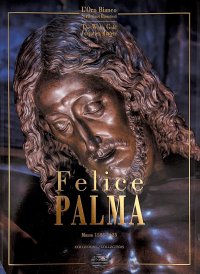
Felice Palma. Massa 1583-1625. Collezione / Collection.
Texts by Claudio Casini, Andrei Cristina, Ciarlo Nicola, Federici Fabrizio and Sara Ragni.
Italian and English Text.
Pontedera, 2024; bound in a case, pp. 289, b/w and col. ill., b/w and col. plates, cm 24,5x34.
(L'Oro Bianco. Straordinari Dimenticati. The White Gold Forgotten Masters).
cover price: € 160.00
|
Books included in the offer:
Felice Palma. Massa 1583-1625. Collezione / Collection.
Texts by Claudio Casini, Andrei Cristina, Ciarlo Nicola, Federici Fabrizio and Sara Ragni.
Italian and English Text.
Pontedera, 2024; bound in a case, pp. 289, b/w and col. ill., b/w and col. plates, cm 24,5x34.
(L'Oro Bianco. Straordinari Dimenticati. The White Gold Forgotten Masters).
FREE (cover price: € 160.00)
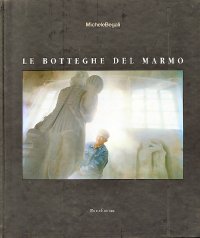
Le botteghe del marmo
Italian and English Text.
Ospedaletto, 1992; bound, pp. 153, 10 b/w ill., 60 col. ill., cm 24x29.
(Immagine).
FREE (cover price: € 34.49)
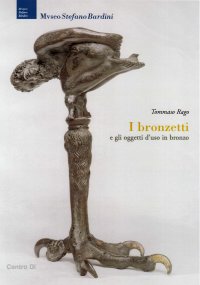
Museo Stefano Bardini. I Bronzetti e gli Oggetti d'Uso in Bronzo
Edited by Nesi A.
Firenze, 2009; paperback, pp. 191, 102 b/w ill., 7 col. ill., cm 17x24,5.
(Museo Stefano Bardini).
FREE (cover price: € 30.00)
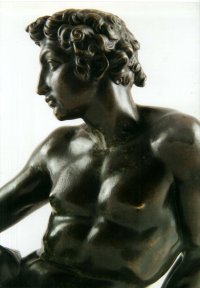
Bronzetti e Rilievi dal XV al XVIII Secolo
Bologna, 2015; 2 vols., bound in a case, pp. 729, ill., col. plates, cm 21,5x30,5.
FREE (cover price: € 90.00)
Murillo. Persuasion and Aura
Benito Navarrete Prieto
Harvey Miller Publishers
English Text.
London, 2021; bound, pp. 340, 14 b/w ill., 272 col. ill., cm 22,5x30.
(Studies in Baroque Art. 16).
series: Studies in Baroque Art
ISBN: 1-912554-40-2 - EAN13: 9781912554409
Subject: Monographs (Painting and Drawing)
Period: 1400-1800 (XV-XVIII) Renaissance
Languages: 
Weight: 2.02 kg
Murillo has attracted particular attention from historians since the seventeenth century to the present day, though opinions of his oeuvre have varied from period to period. The communicative power of his paintings, both then and now, has led him to be used and exploited for different ends. He deliberately cultivated this quality from the time he became an accomplished artist in his native Seville, where he enjoyed great prestige during his lifetime thanks to the resources of his art, his talent and his ability to elicit emotions and arouse passions. His paintings, as if they were prophecies, can only be understood from a visual culture approach and by analysing what his images provoke. Their seemingly easy and familiar appearance is merely the mirror that Murillo, with his command of local codes and the devices of painting, places in front of viewers to trigger a complex empathetic process designed solely to persuade and seduce them, often anticipating their response.

Pietro Bellotti Detto Canaletty. Un Vedutista Veneziano nella Francia dell'Ancien Régime

Il surrealismo piemontese. Lorenzo Alessandri, incisore e pittore. Ediz. illustrata
Conte e Mattarella. Sul palcoscenico e dietro le quinte del Quirinale. Un racconto sulle istituzioni
