






 LATEST ART BOOKS
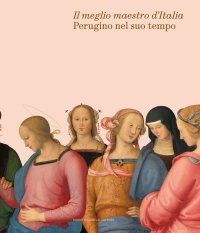
Perugino e il Suo Tempo. "Il Meglio Maestro d'Italia"
Perugia, Galleria Nazionale dell'Umbria, March 4 - June 11, 2023.
Edited by Picchiarelli V. and Pierini M.
Milano, 2023; bound, pp. 592, 650 col. ill., cm 24x21.
cover price: € 40.00
|
Books included in the offer:
Perugino e il Suo Tempo. "Il Meglio Maestro d'Italia"
Perugia, Galleria Nazionale dell'Umbria, March 4 - June 11, 2023.
Edited by Picchiarelli V. and Pierini M.
Milano, 2023; bound, pp. 592, 650 col. ill., cm 24x21.
FREE (cover price: € 40.00)
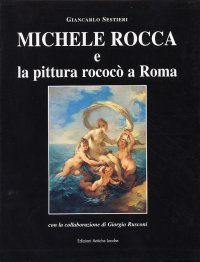
Michele Rocca e la pittura rococo a Roma
Brescia, 2004; bound in a case, pp. 310, b/w and col. ill., tavv., cm 24,5x31,5.
FREE (cover price: € 180.00)
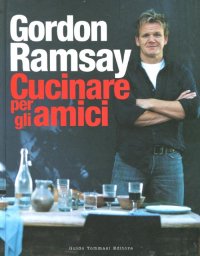
Cucinare per gli amici
Translation by S. Mancuso.
Milano, 2012; clothbound, pp. 269, ill., cm 21x26,5.
(Gli Illustrati).
FREE (cover price: € 29.90)
An Author in search of his place in time: Mercurius the Grammarian and his texts
Ioannis Polemis
Edizioni dell'Orso
English Text.
Alessandria, 2025; paperback, pp. 170, cm 17x24.
(Hellenica. 115).
series: Hellenica
ISBN: 88-3613-628-1 - EAN13: 9788836136285
Subject: Magazines
Languages: 
Weight: 0.395 kg
The manuscript that preserves these texts had been incorrectly dated to the 15th century, but its recent redating to the 12th century now allows us to place this enigmatic author in the 11th or 12th century. These poems of Mercurius are didactic by nature, much like many of the metrical works of Michael Psellus, which translate into verse handbooks of rhetoric, philosophy, and even liturgical texts for use in the instruction and practice of his students. Thus, these texts can offer us a glimpse into the attempts of certain Byzantine authors of the second half of the 11th or 12th century to recover a sense of polyphony within select prose models by reconfiguring them into a distinct, poetic discourse. The polyphonic constitution of these texts appears to significantly intensify their performative dynamics, insofar as they are reconfigured within the framework of classical metrical structures and concomitantly subjected to a markedly archaizing linguistic register

Pietro Bellotti Detto Canaletty. Un Vedutista Veneziano nella Francia dell'Ancien Régime
Aeroporto di Salerno - Pontecagnano 100 anni. Da Campo di Fortuna a Scalo Internazionale
Linear Elamite Inscriptions and Related Cuneiform Texts I. Linear Elamite Texts From Susa. Vol. 10
Gigante 2027. Catalogo nazionale delle monete italiane dal '700 alla fine della lira
Officina Zanon 1946-2026. 80 anni di sapere artigiano. 80 Years of craft knowledge.

Conte e Mattarella. Sul palcoscenico e dietro le quinte del Quirinale. Un racconto sulle istituzioni
