






 LATEST ART BOOKS
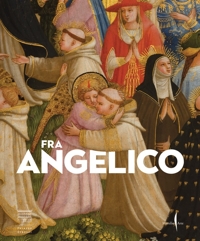
Beato Angelico. Ediz. a colori
Firenze, Palazzo Strozzi, September 26, 2025 - January 25, 2026.
Edited by Carl Brandon Strehlke.
Testi di Stefano Casciu, Marco Mozzo, Angelo Tartuferi.
Venezia, 2025; hardback, pp. 440, 300 col. ill., cm 25,2x29,8.
cover price: € 80.00
|
Books included in the offer:
Beato Angelico. Ediz. a colori
Firenze, Palazzo Strozzi, September 26, 2025 - January 25, 2026.
Edited by Carl Brandon Strehlke.
Testi di Stefano Casciu, Marco Mozzo, Angelo Tartuferi.
Venezia, 2025; hardback, pp. 440, 300 col. ill., cm 25,2x29,8.
FREE (cover price: € 80.00)
Marche e Toscana. Terre di grandi maestri tra Quattro e Seicento
Ospedaletto, 2007; bound, pp. 320, col. ill., col. plates, cm 25,5x29.
FREE (cover price: € 77.00)

Segni dell'Eucarestia
Edited by M. Luisa Polichetti.
Ancona, Osimo, Loreto Jesi, Senigallia, Fabriano e Metelica, 23 giugno - 31 ottobre 2011.
Torino, 2011; paperback, pp. 221, b/w and col. ill., cm 24x28.
FREE (cover price: € 32.00)

Rome and the barbarians. The birth of a new world
Skira
With the scientific coordination of Umberto Roberto and Yann Rivière.
English Text.
Milano, 2008; clothbound, pp. 696, b/w and col. ill., cm 25x29,5.
Other editions available: Edizione Italiana (ISBN: 88-6130-489-3). French Edition (ISBN: 88-6130-490-1).
ISBN: 88-6130-488-5 - EAN13: 9788861304888
Subject: Essays on Ancient Times,Jewellery (Jewels, Precious Metals),Metal Working,Sculpture
Period: 0-1000 (0-XI) Ancient World
Places: Rome
Languages: 
Weight: 3.57 kg
Bringing together a large number of authentic archaeological treasures from the most prestigious museums of Europe, Africa and America, this publication highlights the splendour and artistic knowledge of the Roman Barbarian civilizations, which were at the basis of European culture.
The publication traces almost a millennia of history through fundamental stages in the history of Rome, beginning with the crisis in Hellenistic-Roman culture of the 3rd century AD, to about the 7th century AD: the first conflicts between Romans and Germans, the Sacred Roman Empire of Charlemagne, Alaric's and Geiseric's sack of Rome, Attila's passage, Clovis's conversion. The aim is to illustrate centuries of conflictual co-existence leading to the cultural integration of Barbarian populations into the pre-existing Roman fabric.
This is the first comprehensive work on the difficult and controversial relationship between Roman civilization and Barbarian populations.
It is known that tens of millions of Germans entered the Roman Empire during its existence and that, as early as the reign of Julius Cesar, German mercenaries faithfully served first as auxiliaries and then as legionnaires and came to attain top military positions. Without the contribution of the Germans, the Roman Empire would have lasted so long only with great difficulty. But how did Rome repay the almost total loyalty of the northern Barbarians?
The book is divided into seven main sections: - Rome and the Barbarians: conflict and co-existence - New balances and new relationships: the frontier between Rome and the Barbarians in the 4th century AD.
- The crisis of the 5th century (378-476) - The Roman-Barbarian kingdoms - The new Roman-Barbarian society and the Eastern Empire - Towards the new Europe - Rome and the Barbarians in European culture
The final section contains the most famous representations of the legends of the great invasions, for example, "The defence of the Gauls" by Théodore Chassériau and "Vercingétorige" by Aimé Millet.

Gli occhi dell'arte. Scritti, studi e opere in onore di Ferdinando Peretti. Ediz. italiana e inglese

Guerra e resistenza. Tra fame, razionamenti e borsa nera: l'incognita costante del mangiare
Giovanni Bernardo Carbone 1616-1683. Un ritrattista «alla moda» nella Genova di metà Seicento
Museo della Ceramica Contemporanea Mediterranea di Cava de' Tirreni. Ediz. a colori
Conte e Mattarella. Sul palcoscenico e dietro le quinte del Quirinale. Un racconto sulle istituzioni
