






 LATEST ART BOOKS
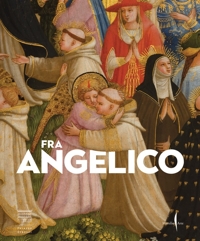
Beato Angelico
Firenze, Palazzo Strozzi, September 26, 2025 - January 25, 2026.
Edited by Carl Brandon Strehlke.
Testi di Stefano Casciu, Marco Mozzo, Angelo Tartuferi.
Venezia, 2025; bound, pp. 440, 300 col. ill., cm 25,2x29,8.
cover price: € 80.00
|
Books included in the offer:
Beato Angelico
Firenze, Palazzo Strozzi, September 26, 2025 - January 25, 2026.
Edited by Carl Brandon Strehlke.
Testi di Stefano Casciu, Marco Mozzo, Angelo Tartuferi.
Venezia, 2025; bound, pp. 440, 300 col. ill., cm 25,2x29,8.
FREE (cover price: € 80.00)
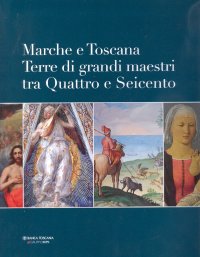
Marche e Toscana. Terre di grandi maestri tra Quattro e Seicento
Ospedaletto, 2007; bound, pp. 320, col. ill., col. plates, cm 25,5x29.
FREE (cover price: € 77.00)
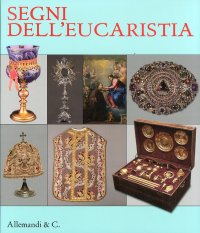
Segni dell'Eucarestia
Edited by M. Luisa Polichetti.
Ancona, Osimo, Loreto Jesi, Senigallia, Fabriano e Metelica, 23 giugno - 31 ottobre 2011.
Torino, 2011; paperback, pp. 221, b/w and col. ill., cm 24x28.
FREE (cover price: € 32.00)
Across Art and Fashion
Mandragora
Firenze, Museo Salvatore Ferragamo, May 18, 2016 - April 7, 2017.
English Text.
Firenze, 2016; paperback, pp. 336, col. ill., cm 22x28.
Other editions available: Edizione italiana 88-7461-302
ISBN: 88-7461-303-2 - EAN13: 9788874613038
Subject: Textiles (Tapestries, Carpets, Embroyderies)
Period: 1800-1960 (XIX-XX) Modern Period,1960- Contemporary Period
Languages: 
Weight: 1.76 kg
The Museo Salvatore Ferragamo's upcoming exhibition, scheduled to open in spring 2016, examines the complex relationship between art and fashion, drawing on the life story of Salvatore Ferragamo, who, fascinated by the avant-garde art of the twentieth century, collaborated with the artists of his time, beginning a tradition that the Ferragamo brand still carries on today.
The project uses case histories to analyze the ways in which the two realms interacted - how they blurred lines, overlapped and cooperated, from the Pre-Raphaelites to Futurism and Surrealism - with a focus on a few of the ateliers where artists gathered in the 1950s and '60s and on the birth of celebrity culture, to then delve into the experimentation of the 1990s, ultimately arriving at the question of whether these two worlds can still be considered separate and distinct in the contemporary cultural industry, or if they have merged in a fluid exchange of roles.

Pietro Bellotti Detto Canaletty. Un Vedutista Veneziano nella Francia dell'Ancien Régime
Gli occhi dell'arte. Scritti, studi e opere in onore di Ferdinando Peretti. Ediz. italiana e inglese

Museo della Ceramica Contemporanea Mediterranea di Cava de' Tirreni. Ediz. a colori
Il poliedrico SID in B/N. Nella pittura, nella scultura, nella grafica e nella street art
Conte e Mattarella. Sul palcoscenico e dietro le quinte del Quirinale. Un racconto sulle istituzioni
