






 LATEST ART BOOKS
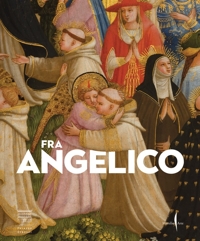
Beato Angelico. Ediz. a colori
Firenze, Palazzo Strozzi, September 26, 2025 - January 25, 2026.
Edited by Carl Brandon Strehlke.
Testi di Stefano Casciu, Marco Mozzo, Angelo Tartuferi.
Venezia, 2025; hardback, pp. 440, 300 col. ill., cm 25,2x29,8.
cover price: € 80.00
|
Books included in the offer:
Beato Angelico. Ediz. a colori
Firenze, Palazzo Strozzi, September 26, 2025 - January 25, 2026.
Edited by Carl Brandon Strehlke.
Testi di Stefano Casciu, Marco Mozzo, Angelo Tartuferi.
Venezia, 2025; hardback, pp. 440, 300 col. ill., cm 25,2x29,8.
FREE (cover price: € 80.00)
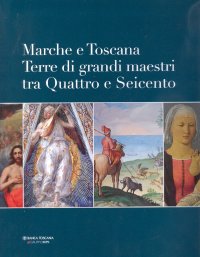
Marche e Toscana. Terre di grandi maestri tra Quattro e Seicento
Ospedaletto, 2007; bound, pp. 320, col. ill., col. plates, cm 25,5x29.
FREE (cover price: € 77.00)
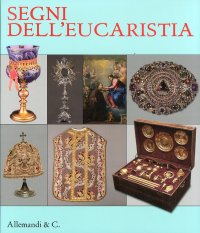
Segni dell'Eucarestia
Edited by M. Luisa Polichetti.
Ancona, Osimo, Loreto Jesi, Senigallia, Fabriano e Metelica, 23 giugno - 31 ottobre 2011.
Torino, 2011; paperback, pp. 221, b/w and col. ill., cm 24x28.
FREE (cover price: € 32.00)
Ernst Wilhelm Nay. Das polyphone Bild Gouachen, Aquarelle, Zeichnungen
Hatje Cantz
Kunstmuseum Bonn, September 20, 2012-February 3, 2013.
German Text.
Ostfildern, 2012; hardback, pp. 160, 110 col. ill., cm 24x28.
ISBN: 3-7757-3433-3 - EAN13: 9783775734332
Subject: Monographs (Painting and Drawing)
Period: 1800-1960 (XIX-XX) Modern Period
Languages: 
Weight: 1.05 kg
Ernst Wilhelm Nay (1902-1968) used color as the theme of his art. It was the means and the goal of his work, not only in his paintings but also in most of the gouaches, watercolors, and drawings. This publication presents a good 110 works on paper, reflecting the development of the artist throughout his career. From the 1937 images of Lofoten, with their intense depictions of nature, to the postwar Hecate pictures, which still contain figurative elements, the energy of the colors can be seen as they continue to unfold ever more freely in the subsequent Fugal paintings. In 1955 the disc became his predominant visual motif, and Nay guided the colors to create peaceful harmonies. In 1963 he began crossing out the discs, almost automatically forming the shape of an eye, and in his final paintings he pared back the intensified drama of the eye pictures, reducing the colors to an ornamental juxtaposition of planes.

Pietro Bellotti Detto Canaletty. Un Vedutista Veneziano nella Francia dell'Ancien Régime
Gli occhi dell'arte. Scritti, studi e opere in onore di Ferdinando Peretti. Ediz. italiana e inglese

Studi e ricerche di storia dell'architettura (2024). Vol. 16: Rootless-Senza radici
Conte e Mattarella. Sul palcoscenico e dietro le quinte del Quirinale. Un racconto sulle istituzioni
