






 LATEST ART BOOKS
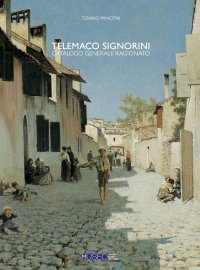
Telemaco Signorini. Catalogo generale ragionato delle opere
Pistoia, 2019; bound, pp. 810, 1500 b/w and col. ill., cm 21,5x29,5.
cover price: € 240.00
|
Books included in the offer:
Telemaco Signorini. Catalogo generale ragionato delle opere
Pistoia, 2019; bound, pp. 810, 1500 b/w and col. ill., cm 21,5x29,5.
FREE (cover price: € 240.00)
Il Pittore Luigi Nono (1850-1918). Catalogo Ragionato dei Dipinti e dei Disegni. La Vita, i Documenti, le Opere
Torino, 2006; 2 vols., bound in a case, pp. 576, 862 b/w ill., 117 col. plates, cm 25x34.
(Varia).
FREE (cover price: € 250.00)

Cavaglieri. Catalogo Ragionato dei Dipinti: la Vita e le Opere. Catalogo delle Opere
Torino, 2006; 2 vols., bound in a case, pp. 608, b/w ill., 125 col. ill., 125 col. plates, cm 25x35.
(Archivi dell'Ottocento).
FREE (cover price: € 250.00)

Architecture of Territorialisation. Public Buildings in the Eastern Adriatic (1400-1800)
Brepols Publishers
Edited by Jasenka Gudelj and Petar Strunje.
English Text.
Turnhout, 2026; bound, pp. 230, 120 b/w ill., 100 col. ill., cm 215x28.
ISBN: 2-503-62450-2 - EAN13: 9782503624501
Subject: Civil Architecture/Art
Period: 1400-1800 (XV-XVIII) Renaissance
Languages: 
Weight: 0 kg
Through eighteen interdisciplinary chapters, ranging from region-wide thematic surveys to specific case studies, this book explores the multifaceted roles of public buildings in the emergence of homogenised territories. To that aim, it considers not only loggias and administrative palaces, but also prisons, cisterns, ports, hospitals, salt and grain depots, citadels, arsenals, and other markers of political, economic, and military consolidation and control between the old and the new, the local and the regional, and the state. By analysing architecture and infrastructure as means of territorialisation, this study not only illuminates that subject in the regions in question but also highlights similar visual, statewide consolidation practices in Central, Southern, and South-East Europe that have shaped the European cultural landscape we inherit.

Pietro Bellotti Detto Canaletty. Un Vedutista Veneziano nella Francia dell'Ancien Régime
Il poliedrico SID in B/N. Nella pittura, nella scultura, nella grafica e nella street art
Building in Africa. Cape to Cairo in 150 days: experiences of an engineer

Gigante 2027. Catalogo nazionale delle monete italiane dal '700 alla fine della lira
Il libro della magia cerimoniale. La tradizione segreta nella Goetia
Conte e Mattarella. Sul palcoscenico e dietro le quinte del Quirinale. Un racconto sulle istituzioni
