






 LATEST ART BOOKS
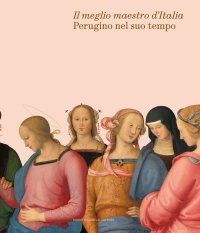
Perugino e il Suo Tempo. "Il Meglio Maestro d'Italia"
Perugia, Galleria Nazionale dell'Umbria, March 4 - June 11, 2023.
Edited by Picchiarelli V. and Pierini M.
Milano, 2023; bound, pp. 592, 650 col. ill., cm 24x21.
cover price: € 40.00
|
Books included in the offer:
Perugino e il Suo Tempo. "Il Meglio Maestro d'Italia"
Perugia, Galleria Nazionale dell'Umbria, March 4 - June 11, 2023.
Edited by Picchiarelli V. and Pierini M.
Milano, 2023; bound, pp. 592, 650 col. ill., cm 24x21.
FREE (cover price: € 40.00)
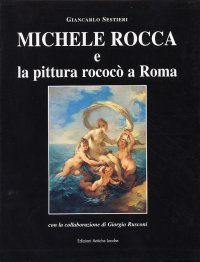
Michele Rocca e la pittura rococo a Roma
Brescia, 2004; bound in a case, pp. 310, b/w and col. ill., tavv., cm 24,5x31,5.
FREE (cover price: € 180.00)
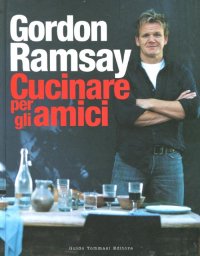
Cucinare per gli amici
Translation by S. Mancuso.
Milano, 2012; clothbound, pp. 269, ill., cm 21x26,5.
(Gli Illustrati).
FREE (cover price: € 29.90)
Late Antique Palatine Architecture. Palaces and Palace Culture: Patterns of Transculturation
Brepols Publishers
Edited by L. Mulvin and N. Westbrook.
English Text.
Turnhout, 2019; paperback, pp. 240, 110 b/w ill., 50 col. ill., cm 22x28.
ISBN: 2-503-57472-6 - EAN13: 9782503574721
Subject: Civil Architecture/Art,Essays on Ancient Times
Languages: 
Weight: 0.22 kg
The essays in this collection provide original, ground-breaking narratives on palatine architecture and culture in this period, integrating cross-cultural dialogues from Rome as centre of imperial palace architecture with details of late palace embellishments and the ceremonial usage which was brought to the fore, as the discussion shifts to the new imperial capital of Nova Roma, Constantinople, and then to the Carolingian centres via Rome and Ravenna.
A parallel discussion emerges, where prototypes for palaces and ceremonial courts were imported and reinterpreted through a process of citation. Principal interest resides in the contrasts of palatial and residential complexes, intended to demonstrate new ceremonies and the practices enacted within and through them. The focus of the volume is then shifted to eastern and western provincial and rural high-status residences and landscapes of power, examining the relationships between palaces and late Roman villas and the court and court culture, and ultimately revealing a political agenda in use through and in the language of architecture.

Pietro Bellotti Detto Canaletty. Un Vedutista Veneziano nella Francia dell'Ancien Régime

Conte e Mattarella. Sul palcoscenico e dietro le quinte del Quirinale. Un racconto sulle istituzioni
