






 LATEST ART BOOKS
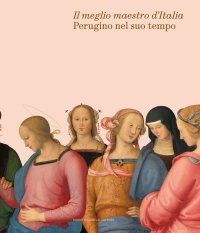
Perugino e il Suo Tempo. "Il Meglio Maestro d'Italia"
Perugia, Galleria Nazionale dell'Umbria, March 4 - June 11, 2023.
Edited by Picchiarelli V. and Pierini M.
Milano, 2023; bound, pp. 592, 650 col. ill., cm 24x21.
cover price: € 40.00
|
Books included in the offer:
Perugino e il Suo Tempo. "Il Meglio Maestro d'Italia"
Perugia, Galleria Nazionale dell'Umbria, March 4 - June 11, 2023.
Edited by Picchiarelli V. and Pierini M.
Milano, 2023; bound, pp. 592, 650 col. ill., cm 24x21.
FREE (cover price: € 40.00)
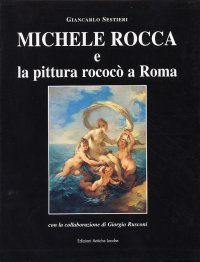
Michele Rocca e la pittura rococo a Roma
Brescia, 2004; bound in a case, pp. 310, b/w and col. ill., tavv., cm 24,5x31,5.
FREE (cover price: € 180.00)
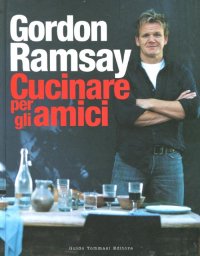
Cucinare per gli amici
Translation by S. Mancuso.
Milano, 2012; clothbound, pp. 269, ill., cm 21x26,5.
(Gli Illustrati).
FREE (cover price: € 29.90)
Corporate Splendour. A Typological, Iconographic and Social Approach to Civic Group Portraits in Brabant 1585-1800
Wolters Van Der Wey
Brepols Publishers
English Text.
Turnhout, 2013; clothbound, pp. 450, 150 b/w ill., cm 19x25.
(Pictura Nova (PICT)).
series: Pictura Nova (PICT)
ISBN: 2-503-55037-1 - EAN13: 9782503550374
Subject: Essays (Art or Architecture),Painting
Period: 1400-1800 (XV-XVIII) Renaissance
Languages: 
Weight: 1.71 kg
The paintings present a wide variety of compositional types and integrated iconographic elements. Monumental life-size portraits coexist with small scale representations. At the same time, there is a clear differentiation in typology according to the city where they were produced. Along with the formal analysis, attention is paid to the material-technical genesis of these compositions, combining in some cases visual observation with scientific imagery and archival evidence. Also the question why patrons would order a group portrait, and how to interpret such 'corporate splendour', is dealt with, making use of the richly collected contemporary documents, which permit to contextualize the portraits and, in some cases, reconstruct their original habitat. They thus shed light on a number of factors that were involved in the realization of Brabantine civic group portraits: the type of patrons and their socio-economic and political position; the immediate cause for ordering a group portrait; the artists called upon; the prices and terms of payment; and the destination - (semi)public / private, sacral / secular - of the paintings.????

Pietro Bellotti Detto Canaletty. Un Vedutista Veneziano nella Francia dell'Ancien Régime
Officina Zanon 1946-2026. 80 anni di sapere artigiano-80 Years of craft knowledge. Ediz. bilingue

Conte e Mattarella. Sul palcoscenico e dietro le quinte del Quirinale. Un racconto sulle istituzioni
