






 LATEST ART BOOKS
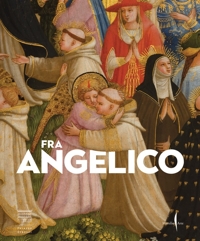
Beato Angelico. Ediz. a colori
Firenze, Palazzo Strozzi, September 26, 2025 - January 25, 2026.
Edited by Carl Brandon Strehlke.
Testi di Stefano Casciu, Marco Mozzo, Angelo Tartuferi.
Venezia, 2025; hardback, pp. 440, 300 col. ill., cm 25,2x29,8.
cover price: € 80.00
|
Books included in the offer:
Beato Angelico. Ediz. a colori
Firenze, Palazzo Strozzi, September 26, 2025 - January 25, 2026.
Edited by Carl Brandon Strehlke.
Testi di Stefano Casciu, Marco Mozzo, Angelo Tartuferi.
Venezia, 2025; hardback, pp. 440, 300 col. ill., cm 25,2x29,8.
FREE (cover price: € 80.00)
Marche e Toscana. Terre di grandi maestri tra Quattro e Seicento
Ospedaletto, 2007; bound, pp. 320, col. ill., col. plates, cm 25,5x29.
FREE (cover price: € 77.00)
Segni dell'Eucarestia
Edited by M. Luisa Polichetti.
Ancona, Osimo, Loreto Jesi, Senigallia, Fabriano e Metelica, 23 giugno - 31 ottobre 2011.
Torino, 2011; paperback, pp. 221, b/w and col. ill., cm 24x28.
FREE (cover price: € 32.00)
Vittorio Sgarbi's Mantegna
Vittorio Sgarbi
Skira
Italian and English Text.
Milano, 2006; paperback, pp. 208, 30 b/w ill., 90 col. ill., cm 16,5x24.
Subject: Monographs (Painting and Drawing)
Period: 1400-1800 (XV-XVIII) Renaissance
Languages: 

Weight: 1 kg
Andrea Mantegna was born between 1430 and 1431 at Isola di Carturo (Padua, Italy). He was Francesco Squarcione's pupil in Padua, and as a mere seventeen year old he worked on the decoration of the Ovetari Chapel in the Eremitani Church, also in Padua. Over the next few years he worked on the San Luca Polyptych and the San Zeno Altarpiece. In 1460 he moved to Mantua and the court of the Gonzaga where he remained until his death in 1506, working on some of his most celebrated works, including the Camera degli Sposi (literally "wedding chamber") with its famous ceiling oculus, which shows a beautifully painted sky from which figures and animals look down at the viewer.
In an engaging and informed text, Vittorio Sgarbi explores in detail Mantegna's life and compelling work. The author sets a richly detailed stage for the first truly Renaissance artist of Northern Italy, credited with inventing the techniques of foreshortening and spatial illusionism.

Gli occhi dell'arte. Scritti, studi e opere in onore di Ferdinando Peretti. Ediz. italiana e inglese

Il viaggio del sole. Alla scoperta dell'identità attraverso l'astrologia umanistica
Museo della Ceramica Contemporanea Mediterranea di Cava de' Tirreni. Ediz. a colori
Conte e Mattarella. Sul palcoscenico e dietro le quinte del Quirinale. Un racconto sulle istituzioni
