






 LATEST ART BOOKS
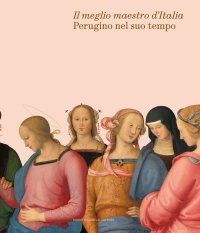
Perugino e il Suo Tempo. "Il Meglio Maestro d'Italia"
Perugia, Galleria Nazionale dell'Umbria, March 4 - June 11, 2023.
Edited by Picchiarelli V. and Pierini M.
Milano, 2023; bound, pp. 592, 650 col. ill., cm 24x21.
cover price: € 40.00
|
Books included in the offer:
Perugino e il Suo Tempo. "Il Meglio Maestro d'Italia"
Perugia, Galleria Nazionale dell'Umbria, March 4 - June 11, 2023.
Edited by Picchiarelli V. and Pierini M.
Milano, 2023; bound, pp. 592, 650 col. ill., cm 24x21.
FREE (cover price: € 40.00)
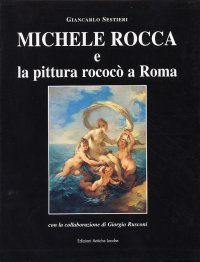
Michele Rocca e la pittura rococo a Roma
Brescia, 2004; bound in a case, pp. 310, b/w and col. ill., tavv., cm 24,5x31,5.
FREE (cover price: € 180.00)
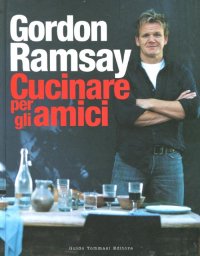
Cucinare per gli amici
Translation by S. Mancuso.
Milano, 2012; clothbound, pp. 269, ill., cm 21x26,5.
(Gli Illustrati).
FREE (cover price: € 29.90)
Portable Panel Paintings at the Angevin Court of Naples. Mobility and Materiality in the Trecento Mediterranean
Sarah K. Kozlowski
Brepols Publishers
English Text.
Turnhout, 2022; bound, pp. 292, 11 b/w ill., 132 col. ill., 2 b/w plates, cm 21,5x28.
ISBN: 2-503-59695-9 - EAN13: 9782503596952
Subject: Painting
Period: 1000-1400 (XII-XIV) Middle Ages
Languages: 
Weight: 1 kg
This book explores the mobilities and materialities of panel painting at and beyond the Angevin court of Naples in the context of objects, materials, patrons, and painters on the move through the fourteenth-century world. It asks how panel paintings participated in and thematized patterns of circulation and exchange; how they extended the artistic and political geography of the court far beyond Naples itself; how their materialities intersected with other mediums from woven silk to precious metalwork to stone; and how painters' formal and technical experimentation combined with painted panels' real and imagined itineraries to create meaning.
The volume traces a series of painted panels through networks of patronage, production, gift giving, transport, and replication. It locates the making, movement, and meaning of these works in the overlapping contexts of Angevin dynastic and territorial ambitions, including the family's stakes in the Holy Land; patterns of collecting and adapting authoritative icons; practices of royal female patronage; and painters' engagement with the limits of the medium of panel painting itself. Each chapter weaves together sustained analysis of paintings' pictorial and material structures, close reading of primary sources, and questions of art's materialities and mobilities. Moving between single objects and larger patterns, between the local and the global, this study presents new research on individual works even as it reframes trecento art in the broader context of artistic circulation, exchange, and transformation across the late medieval and early Renaissance world.

Pietro Bellotti Detto Canaletty. Un Vedutista Veneziano nella Francia dell'Ancien Régime
Officina Zanon 1946-2026. 80 anni di sapere artigiano-80 Years of craft knowledge. Ediz. bilingue

Conte e Mattarella. Sul palcoscenico e dietro le quinte del Quirinale. Un racconto sulle istituzioni
