






 LATEST ART BOOKS
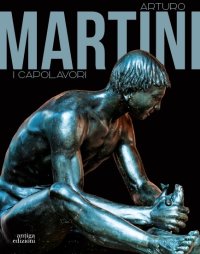
Arturo Martini. I capolavori
Treviso, Museo “luigi Bailo”, March 31 - July 30, 2023.
Edited by Stringa Nico and Fabrizio Malachin.
Cornuda, 2023; paperback, pp. 278, col. ill., cm 23x29.
cover price: € 33.00
|
Books included in the offer:
Arturo Martini. I capolavori
Treviso, Museo “luigi Bailo”, March 31 - July 30, 2023.
Edited by Stringa Nico and Fabrizio Malachin.
Cornuda, 2023; paperback, pp. 278, col. ill., cm 23x29.
FREE (cover price: € 33.00)
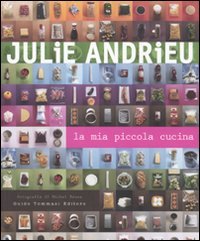
La mia piccola cucina
Illustrations by Soledad.
Translation by Marzano G.
Milano, 2009; paperback, pp. 359, ill., cm 21,5x26,5.
FREE (cover price: € 29.90)
Torte in fiore. Raffinate creazioni floreali in pasta di zucchero
Translation by Destro P. and Tosi L.
Milano, 2014; clothbound, pp. 224, ill., cm 25x29.
(Gli Illustrati).
FREE (cover price: € 35.00)

Orticola di Lombardia. 150 anni di associazione, 20 anni di mostra
Edited by Pizzoni F.
Milano, 2016; bound, pp. 279, ill., cm 24,5x24,5.
FREE (cover price: € 35.00)

Lodovico Dolce. Renaissance Man of Letters
Ronnie H.Terpening
University of Toronto Press
English Text.
Toronto, 1997; clothbound, pp. 312, cm 16x23,5.
ISBN: 0-8020-4159-0 - EAN13: 9780802041593
Languages: 
Weight: 0.62 kg
Active as a teacher, editor, critic, translator, and author of over one hundred volumes, Dolce is perhaps more typical of the Renaissance humanist than the major authors are, since the latter were possessed of particular rather than general talents. As the most prolific writer and editor for the largest Venetian press, Dolce played a dominant role in late Cinquecento culture. Responsible for over a quarter of the books published in Venice in his time, Dolce was a major figure in the development of print as a mass medium. To indicate the scope of Dolce's influence, Terpening also looks at his most interesting writings in several genres: chivalric romances, comedies, tragedies, prose dialogues, and treatises.

Pietro Bellotti Detto Canaletty. Un Vedutista Veneziano nella Francia dell'Ancien Régime
La voce / le voci delle donne, dalla classicità all'era dell'intelligenza artificiale
Il poliedrico SID in B/N. Nella pittura, nella scultura, nella grafica e nella street art
Building in Africa. Cape to Cairo in 150 days: experiences of an engineer

Conte e Mattarella. Sul palcoscenico e dietro le quinte del Quirinale. Un racconto sulle istituzioni
