






 LATEST ART BOOKS
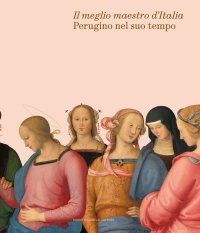
Perugino e il Suo Tempo. "Il Meglio Maestro d'Italia"
Perugia, Galleria Nazionale dell'Umbria, March 4 - June 11, 2023.
Edited by Picchiarelli V. and Pierini M.
Milano, 2023; bound, pp. 592, 650 col. ill., cm 24x21.
cover price: € 40.00
|
Books included in the offer:
Perugino e il Suo Tempo. "Il Meglio Maestro d'Italia"
Perugia, Galleria Nazionale dell'Umbria, March 4 - June 11, 2023.
Edited by Picchiarelli V. and Pierini M.
Milano, 2023; bound, pp. 592, 650 col. ill., cm 24x21.
FREE (cover price: € 40.00)
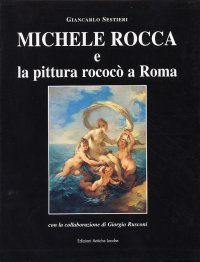
Michele Rocca e la pittura rococo a Roma
Brescia, 2004; bound in a case, pp. 310, b/w and col. ill., tavv., cm 24,5x31,5.
FREE (cover price: € 180.00)
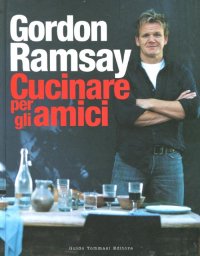
Cucinare per gli amici
Translation by S. Mancuso.
Milano, 2012; clothbound, pp. 269, ill., cm 21x26,5.
(Gli Illustrati).
FREE (cover price: € 29.90)
Typical Venice? The Art of Commodities,13th-16th centuries
Philippe Cordez - Ella Beaucamp
Harvey Miller Publishers
English Text.
London, 2021; bound, pp. 268, 70 col. ill., cm 22x28.
ISBN: 1-912554-30-5 - EAN13: 9781912554300
Subject: Essays (Art or Architecture)
Period: 1000-1400 (XII-XIV) Middle Ages,1400-1800 (XV-XVIII) Renaissance
Languages: 
Weight: 1 kg
What is the art of commodities, and how does it contribute to shaping a city? The case of Venice, which perhaps more than any other late medieval or early modern city depended on trade, offers some widely applicable considerations in response to these questions.
Commodities exist as such only when they can be bought and sold. Select materials, techniques and tools, motifs, and working processes are entailed in the conception and realization of commodities, with the aim of producing and selling in numbers. The art of commodities is an art of anticipation and organization, as complex as the material, social, and symbolic situations it results from, deals with, and contributes to shaping. In turn, an analysis of commodities allows for profound insights in these situations. The art of commodities ultimately presents specific challenges, solutions, and styles; it is an art of objects, as well as an art of cities and societies.
In Venice, commodities did much more than circulate throughout the Lagoon: the city was made of them. The studies in this book consider the Serenissima's diverse commodities, merchants, and routes from multiple perspectives.

Pietro Bellotti Detto Canaletty. Un Vedutista Veneziano nella Francia dell'Ancien Régime
Officina Zanon 1946-2026. 80 anni di sapere artigiano-80 Years of craft knowledge. Ediz. bilingue

Conte e Mattarella. Sul palcoscenico e dietro le quinte del Quirinale. Un racconto sulle istituzioni
