






 NOVITA' ARTE
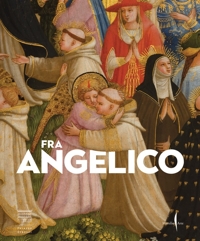
Beato Angelico
Firenze, Palazzo Strozzi, 26 settembre 2025 - 25 gennaio 2026.
A cura di Carl Brandon Strehlke.
Testi di Stefano Casciu, Marco Mozzo, Angelo Tartuferi.
Venezia, 2025; cartonato, pp. 440, 300 ill. col., cm 25,2x29,8.
prezzo di copertina: € 80.00
|
Libri compresi nell'offerta:
Beato Angelico
Firenze, Palazzo Strozzi, 26 settembre 2025 - 25 gennaio 2026.
A cura di Carl Brandon Strehlke.
Testi di Stefano Casciu, Marco Mozzo, Angelo Tartuferi.
Venezia, 2025; cartonato, pp. 440, 300 ill. col., cm 25,2x29,8.
OMAGGIO (prezzo di copertina: € 80.00)
Marche e Toscana. Terre di grandi maestri tra Quattro e Seicento
Ospedaletto, 2007; ril., pp. 320, ill. col., tavv. col., cm 25,5x29.
OMAGGIO (prezzo di copertina: € 77.00)

Segni dell'Eucarestia
A cura di M. Luisa Polichetti.
Ancona, Osimo, Loreto Jesi, Senigallia, Fabriano e Metelica, 23 giugno - 31 ottobre 2011.
Torino, 2011; br., pp. 221, ill. b/n e col., cm 24x28.
OMAGGIO (prezzo di copertina: € 32.00)

Typical Venice? The Art of Commodities,13th-16th centuries
Philippe Cordez - Ella Beaucamp
Harvey Miller Publishers
Testo Inglese.
London, 2021; ril., pp. 268, 70 ill. col., cm 22x28.
ISBN: 1-912554-30-5 - EAN13: 9781912554300
Soggetto: Saggi (Arte o Architettura)
Periodo: 1000-1400 (XII-XIV) Medioevo,1400-1800 (XV-XVIII) Rinascimento
Testo in: 
Peso: 1 kg
What is the art of commodities, and how does it contribute to shaping a city? The case of Venice, which perhaps more than any other late medieval or early modern city depended on trade, offers some widely applicable considerations in response to these questions.
Commodities exist as such only when they can be bought and sold. Select materials, techniques and tools, motifs, and working processes are entailed in the conception and realization of commodities, with the aim of producing and selling in numbers. The art of commodities is an art of anticipation and organization, as complex as the material, social, and symbolic situations it results from, deals with, and contributes to shaping. In turn, an analysis of commodities allows for profound insights in these situations. The art of commodities ultimately presents specific challenges, solutions, and styles; it is an art of objects, as well as an art of cities and societies.
In Venice, commodities did much more than circulate throughout the Lagoon: the city was made of them. The studies in this book consider the Serenissima's diverse commodities, merchants, and routes from multiple perspectives.

Klimt, Schiele, Kokoschka e il corpo nell'arte contemporanea

Gli occhi dell'arte. Scritti, studi e opere in onore di Ferdinando Peretti. Ediz. italiana e inglese
Armonismo. La luce precede la forma. Una teoria dello spazio tra luce, geometria e asimmetria
Passeggiate veneziane. Andar per chiese tra calli, campi e laguna
Palazzo M. Problematiche di restauro di un cantiere autarchico
Human-Centered Design. The Social Dimension of Sustainable Building Culture
Conte e Mattarella. Sul palcoscenico e dietro le quinte del Quirinale. Un racconto sulle istituzioni
