






 LATEST ART BOOKS
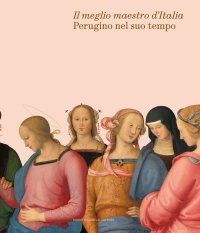
Perugino e il Suo Tempo. "Il Meglio Maestro d'Italia"
Perugia, Galleria Nazionale dell'Umbria, March 4 - June 11, 2023.
Edited by Picchiarelli V. and Pierini M.
Milano, 2023; bound, pp. 592, 650 col. ill., cm 24x21.
cover price: € 40.00
|
Books included in the offer:
Perugino e il Suo Tempo. "Il Meglio Maestro d'Italia"
Perugia, Galleria Nazionale dell'Umbria, March 4 - June 11, 2023.
Edited by Picchiarelli V. and Pierini M.
Milano, 2023; bound, pp. 592, 650 col. ill., cm 24x21.
FREE (cover price: € 40.00)
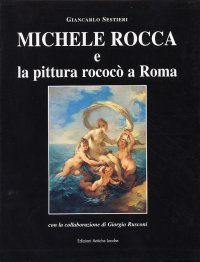
Michele Rocca e la pittura rococo a Roma
Brescia, 2004; bound in a case, pp. 310, b/w and col. ill., tavv., cm 24,5x31,5.
FREE (cover price: € 180.00)
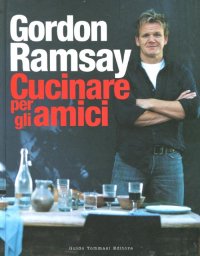
Cucinare per gli amici
Translation by S. Mancuso.
Milano, 2012; clothbound, pp. 269, ill., cm 21x26,5.
(Gli Illustrati).
FREE (cover price: € 29.90)
Naga Textiles. Design, Technique, Meaning and Effect of a Local Craft Tradition in Northeast India
Marion Wettstein
Arnoldsche Art Publishers
English Text.
Stuttgart, 2014; paperback, pp. 368, 130 col. ill., cm 21x27.
ISBN: 3-89790-419-5 - EAN13: 9783897904194
Subject: Textiles (Tapestries, Carpets, Embroyderies)
Languages: 
Weight: 1.96 kg
More than 60 colour pencil drawings and 180 watercolours on the morphology of the textile samples are considered by the author to be not just an artistic translation but in particular visual argumentation. So her work is, alongside its pursuit of the textiles' design, also a plea for ethnographic drawing as a scientific method. Textile techniques are examined as craft and embedded in the history of Northeast India, which has been shaped in the modern era by colonialism and an armed struggle for independence.
While the work shows how the textile patterns are laden with meaning of a complex system of status and social structure, it also illuminates what is understood by these concepts in the context of the Nagas and to what extent they are also constructs of colonial and scientific intervention. Conceptual considerations on the relationship between man, object and design ultimately lead to the local ethnic fashion scene, in which the fascinating effects of the fabrics today come into its own once again.

Pietro Bellotti Detto Canaletty. Un Vedutista Veneziano nella Francia dell'Ancien Régime
Officina Zanon 1946-2026. 80 anni di sapere artigiano-80 Years of craft knowledge. Ediz. bilingue

Conte e Mattarella. Sul palcoscenico e dietro le quinte del Quirinale. Un racconto sulle istituzioni
