






 LATEST ART BOOKS
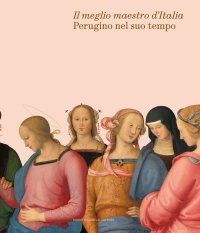
Perugino e il Suo Tempo. "Il Meglio Maestro d'Italia"
Perugia, Galleria Nazionale dell'Umbria, March 4 - June 11, 2023.
Edited by Picchiarelli V. and Pierini M.
Milano, 2023; bound, pp. 592, 650 col. ill., cm 24x21.
cover price: € 40.00
|
Books included in the offer:
Perugino e il Suo Tempo. "Il Meglio Maestro d'Italia"
Perugia, Galleria Nazionale dell'Umbria, March 4 - June 11, 2023.
Edited by Picchiarelli V. and Pierini M.
Milano, 2023; bound, pp. 592, 650 col. ill., cm 24x21.
FREE (cover price: € 40.00)
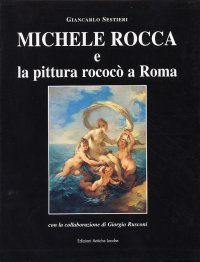
Michele Rocca e la pittura rococo a Roma
Brescia, 2004; bound in a case, pp. 310, b/w and col. ill., tavv., cm 24,5x31,5.
FREE (cover price: € 180.00)
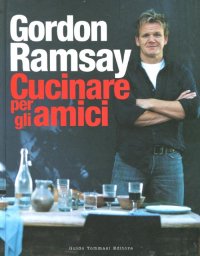
Cucinare per gli amici
Translation by S. Mancuso.
Milano, 2012; clothbound, pp. 269, ill., cm 21x26,5.
(Gli Illustrati).
FREE (cover price: € 29.90)
Les vitraux de la seconde moitié du XVIe et de la première moitié du XVIIe siècle conservés en Belgique. Vol. VI: Provinces du Brabantwallon, du Hainaut, de Namur et de Liège
Isabelle Lecocq
Brepols Publishers
French Text.
Turnhout, 2011; hardback, pp. 750, 400 col. ill., cm 23x31.
ISBN: 2-930054-12-3 - EAN13: 9782930054124
Subject: Glass
Period: 1400-1800 (XV-XVIII) Renaissance
Languages: 
Weight: 3.88 kg
L'auteur, Isabelle Lecocq, s'est atta-chée depuis plusieurs années à l'étudede ces vitraux monumentaux qui onttrop peu retenu l'attention des cher-cheurs jusqu'à présent. Ces ouvress'inscrivent en effet dans une périodeparticulièrement sombre et troubléede l'histoire des anciens Pays-Bas mé-ridionaux, qui commence avec le règnede Philippe II et qui coïncide avec la" Guerre de Quatre-Vingts Ans "(1568-1648). Elles méritent néanmoinsune attention particulière car elles sontl'expression concrète de la mutationgénéralisée qui se produisit dans l'artentre la Renaissance et le Baroque.

Pietro Bellotti Detto Canaletty. Un Vedutista Veneziano nella Francia dell'Ancien Régime
Officina Zanon 1946-2026. 80 anni di sapere artigiano-80 Years of craft knowledge. Ediz. bilingue

Conte e Mattarella. Sul palcoscenico e dietro le quinte del Quirinale. Un racconto sulle istituzioni
