






 LATEST ART BOOKS
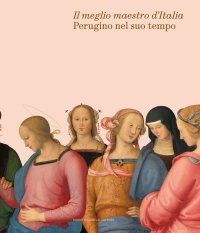
Perugino e il Suo Tempo. "Il Meglio Maestro d'Italia"
Perugia, Galleria Nazionale dell'Umbria, March 4 - June 11, 2023.
Edited by Picchiarelli V. and Pierini M.
Milano, 2023; bound, pp. 592, 650 col. ill., cm 24x21.
cover price: € 40.00
|
Books included in the offer:
Perugino e il Suo Tempo. "Il Meglio Maestro d'Italia"
Perugia, Galleria Nazionale dell'Umbria, March 4 - June 11, 2023.
Edited by Picchiarelli V. and Pierini M.
Milano, 2023; bound, pp. 592, 650 col. ill., cm 24x21.
FREE (cover price: € 40.00)
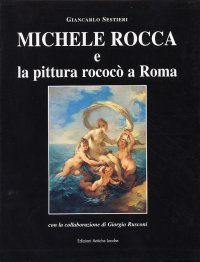
Michele Rocca e la pittura rococo a Roma
Brescia, 2004; bound in a case, pp. 310, b/w and col. ill., tavv., cm 24,5x31,5.
FREE (cover price: € 180.00)
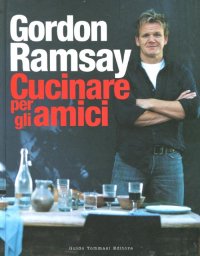
Cucinare per gli amici
Translation by S. Mancuso.
Milano, 2012; clothbound, pp. 269, ill., cm 21x26,5.
(Gli Illustrati).
FREE (cover price: € 29.90)
Hans Folz and Print Culture in Late Medieval Germany. The Creation of Popular Discourse
Huey Caroline
Ashgate Publishing Limited
Aldershot, 2012; hardback, pp. 184, ill., cm 17x24.
ISBN: 1-4094-0606-7 - EAN13: 9781409406068
Languages: 
Weight: 0.49 kg
In this study, author Caroline Huey analyzes the copious literary output of medieval poet and barber-surgeon Hans Folz in all its variety - whether Meisterlied, Reimpaarspruch or carnival play. Heretofore, published research to do with Folz's multifaceted and compelling oeuvre has been fragmentary, because scholars have restricted themselves by genre in examining themes in Folz's work. By integrating the different themes across Folz's output, and by integrating consideration (previously neglected by earlier critics) of Folz's role as barber-surgeon, Huey offers new insights as to the interaction of these themes and to the character of the poet's work overall. She shows that ultimately Folz is concerned with the circulation of knowledge and power, correct and incorrect behavior, and, above all, with finding order. In each chapter, Huey examines a particular theme from Folz's life and/or work. She looks at how adeptly he commandeers the new technology of printing to further his own ends; how his ubiquitous physicality connects his medical body to his Christian body; his attitude toward women; and, the anti-Jewish thread in his work.

Pietro Bellotti Detto Canaletty. Un Vedutista Veneziano nella Francia dell'Ancien Régime
Officina Zanon 1946-2026. 80 anni di sapere artigiano-80 Years of craft knowledge. Ediz. bilingue

Conte e Mattarella. Sul palcoscenico e dietro le quinte del Quirinale. Un racconto sulle istituzioni
