






 LATEST ART BOOKS
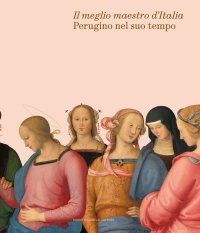
Perugino e il Suo Tempo. "Il Meglio Maestro d'Italia"
Perugia, Galleria Nazionale dell'Umbria, March 4 - June 11, 2023.
Edited by Picchiarelli V. and Pierini M.
Milano, 2023; bound, pp. 592, 650 col. ill., cm 24x21.
cover price: € 40.00
|
Books included in the offer:
Perugino e il Suo Tempo. "Il Meglio Maestro d'Italia"
Perugia, Galleria Nazionale dell'Umbria, March 4 - June 11, 2023.
Edited by Picchiarelli V. and Pierini M.
Milano, 2023; bound, pp. 592, 650 col. ill., cm 24x21.
FREE (cover price: € 40.00)
Michele Rocca e la pittura rococo a Roma
Brescia, 2004; bound in a case, pp. 310, b/w and col. ill., tavv., cm 24,5x31,5.
FREE (cover price: € 180.00)
Cucinare per gli amici
Translation by S. Mancuso.
Milano, 2012; clothbound, pp. 269, ill., cm 21x26,5.
(Gli Illustrati).
FREE (cover price: € 29.90)
L'art décoratif en Europe. Tome 1. Renaissance et Maniérisme
Gruber Alain - Molen Ter
Citadelles & Mazenod
French Text.
Paris, 1993; hardback, pp. 493, col. ill., cm 34x32.
ISBN: 2-85088-120-1 - EAN13: 9782850881206
Subject: Decorative Arts (Ceramics, Porcelain, Majolica),Metal Working,Painting
Period: 1400-1800 (XV-XVIII) Renaissance
Languages: 
Weight: 3.51 kg
Abandonnant volontiers les traditions artistiques médiévales, la Renaissance prône le retour aux sources antiques. Les rinceaux et les grotesques procèdent de cette tendance. Initialement apparentés aux grotesques, les cuirs ne tardent pas à accéder à une véritable autonomie ornementale. Les entrelacs, très répandus dans l'art occidental depuis la fin du monde antique, ont connu un succès constant mais renouvelé dès le milieu du XVe siècle sous l'influence hispano-mauresque.
Avec les mauresques s'ouvrent les portes du monde islamique. Ce volume arrive à son terme vers 1630. Cette césure correspond à un essoufflement des motifs, remplacés autour de cette date par un vocabulaire ornemental mieux adapté à l'opulence du baroque alors en gestation.

Pietro Bellotti Detto Canaletty. Un Vedutista Veneziano nella Francia dell'Ancien Régime
Officina Zanon 1946-2026. 80 anni di sapere artigiano-80 Years of craft knowledge. Ediz. bilingue

Conte e Mattarella. Sul palcoscenico e dietro le quinte del Quirinale. Un racconto sulle istituzioni
