






 LATEST ART BOOKS
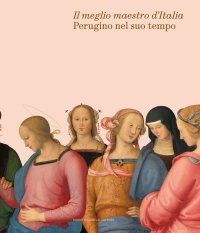
Perugino e il Suo Tempo. "Il Meglio Maestro d'Italia"
Perugia, Galleria Nazionale dell'Umbria, March 4 - June 11, 2023.
Edited by Picchiarelli V. and Pierini M.
Milano, 2023; bound, pp. 592, 650 col. ill., cm 24x21.
cover price: € 40.00
|
Books included in the offer:
Perugino e il Suo Tempo. "Il Meglio Maestro d'Italia"
Perugia, Galleria Nazionale dell'Umbria, March 4 - June 11, 2023.
Edited by Picchiarelli V. and Pierini M.
Milano, 2023; bound, pp. 592, 650 col. ill., cm 24x21.
FREE (cover price: € 40.00)
Michele Rocca e la pittura rococo a Roma
Brescia, 2004; bound in a case, pp. 310, b/w and col. ill., tavv., cm 24,5x31,5.
FREE (cover price: € 180.00)
Cucinare per gli amici
Translation by S. Mancuso.
Milano, 2012; clothbound, pp. 269, ill., cm 21x26,5.
(Gli Illustrati).
FREE (cover price: € 29.90)
Visual Liturgy. Altarpiece Painting and Valencian Culture (1442-1519)
Deurbergue M.
Brepols Publishers
English Text.
Turnhout, 2012; paperback, pp. 300, 88 b/w ill., 55 col. ill., cm 24x27.
series: Etudes Renaissantes
ISBN: 2-503-54497-5 - EAN13: 9782503544977
Subject: Painting
Period: 1000-1400 (XII-XIV) Middle Ages
Languages: 
Weight: 1.25 kg
Visual Liturgy challenges this situation. Focusing on the Aragonese city of Valencia, then at the height of its pride and glory, it examines a school of painters, which reflects a wider scene, namely the civic and religious preoccupations of a whole culture. Not only does it provide a comprehensive view of current research on Valencian painting, it connects it to the wider context of Valencian piety and tackles the dialectics at work in civic culture: how the monarchy took hold of the municipality; how foreign influences challenged local tradition; how sophisticated altarpieces emerged from the standard stock of artistic production; how, finally, the liturgy prevented ruptures between the religion of the learned and more popular, even at times slightly unorthodox, expressions of the faith.
Visual Liturgy thus provides a better understanding of 15th-century Spanish art. It sheds important new light on the birth of an artistic school in a context of competing foreign influences, and on the reception of such influences into a radically different culture; finally, it is the first attempt to explore the meaning of Valencian altarpieces with reference to their cultural, spiritual and liturgical context of creation.

Pietro Bellotti Detto Canaletty. Un Vedutista Veneziano nella Francia dell'Ancien Régime

Aeroporto di Salerno - Pontecagnano 100 anni. Da Campo di Fortuna a Scalo Internazionale
Linear Elamite Inscriptions and Related Cuneiform Texts I. Linear Elamite Texts From Susa. Vol. 10
Gigante 2027. Catalogo nazionale delle monete italiane dal '700 alla fine della lira
Conte e Mattarella. Sul palcoscenico e dietro le quinte del Quirinale. Un racconto sulle istituzioni
