






 LATEST ART BOOKS
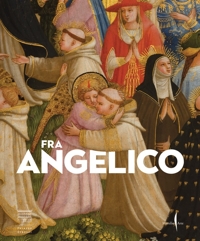
Beato Angelico
Firenze, Palazzo Strozzi, September 26, 2025 - January 25, 2026.
Edited by Carl Brandon Strehlke.
Testi di Stefano Casciu, Marco Mozzo, Angelo Tartuferi.
Venezia, 2025; hardback, pp. 440, 300 col. ill., cm 25,2x29,8.
cover price: € 80.00
|
Books included in the offer:
Beato Angelico
Firenze, Palazzo Strozzi, September 26, 2025 - January 25, 2026.
Edited by Carl Brandon Strehlke.
Testi di Stefano Casciu, Marco Mozzo, Angelo Tartuferi.
Venezia, 2025; hardback, pp. 440, 300 col. ill., cm 25,2x29,8.
FREE (cover price: € 80.00)
Marche e Toscana. Terre di grandi maestri tra Quattro e Seicento
Ospedaletto, 2007; bound, pp. 320, col. ill., col. plates, cm 25,5x29.
FREE (cover price: € 77.00)

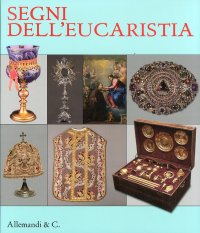
Segni dell'Eucarestia
Edited by M. Luisa Polichetti.
Ancona, Osimo, Loreto Jesi, Senigallia, Fabriano e Metelica, 23 giugno - 31 ottobre 2011.
Torino, 2011; paperback, pp. 221, b/w and col. ill., cm 24x28.
FREE (cover price: € 32.00)
The Music Room in Early Modern France and Italy. Sound, Space and Object
Deborah Howard - Laura Mauretti (eds)
Oxford University Press
Oxford, 2012; hardback, pp. 300, ill., cm 17x24.
ISBN: 0-19-726505-7 - EAN13: 9780197265055
Subject: Music
Languages: 
Weight: 0.78 kg
This interdisciplinary book investigates the use of secular space for music making in Early Modern France and Italy. The fact that many artists of the time also had musical skills underlines the close relationship between music and the visual arts. This era is remarkable for the growing importance of music in domestic life, ranging from elaborate court festivities to family recreation. In parallel with the emergence of the theatre as a separate building type, music-making in elite circles became more specialised through the employment of paid musicians, as opposed to amateur participation by the inhabitants and their guests. Meanwhile, however, music printing and the mass-production of instruments, especially lutes, allowed music-making to diffuse down the social scale. We see how spaces specifically designed for music began to appear in private dwellings, while existing rooms became adapted for the purpose. At first, the number of rooms specifically identifiable as 'music rooms' was very small, but gradually over the following 150 years, specialised music rooms began to appear in larger residences in both France and Italy. A major theme is the relationship between the size and purpose of the room and the kinds of music performed - depending on the size, portability and loudness of different instruments; the types of music suited to spaces of different dimensions; the role of music in dancing and banqueting; and the positions of players and listeners. Musical instruments were often elaborately decorated to become works of art in their own right.

Gli occhi dell'arte. Scritti, studi e opere in onore di Ferdinando Peretti. Ediz. italiana e inglese

Armonismo. La luce precede la forma. Una teoria dello spazio tra luce, geometria e asimmetria
Conte e Mattarella. Sul palcoscenico e dietro le quinte del Quirinale. Un racconto sulle istituzioni
