






 LATEST ART BOOKS
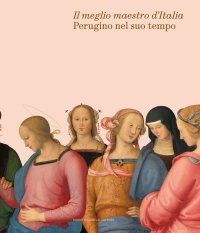
Perugino e il Suo Tempo. "Il Meglio Maestro d'Italia"
Perugia, Galleria Nazionale dell'Umbria, March 4 - June 11, 2023.
Edited by Picchiarelli V. and Pierini M.
Milano, 2023; bound, pp. 592, 650 col. ill., cm 24x21.
cover price: € 40.00
|
Books included in the offer:
Perugino e il Suo Tempo. "Il Meglio Maestro d'Italia"
Perugia, Galleria Nazionale dell'Umbria, March 4 - June 11, 2023.
Edited by Picchiarelli V. and Pierini M.
Milano, 2023; bound, pp. 592, 650 col. ill., cm 24x21.
FREE (cover price: € 40.00)
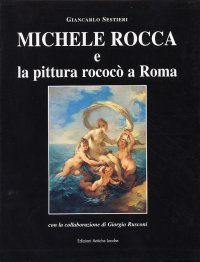
Michele Rocca e la pittura rococo a Roma
Brescia, 2004; bound in a case, pp. 310, b/w and col. ill., tavv., cm 24,5x31,5.
FREE (cover price: € 180.00)
Cucinare per gli amici
Translation by S. Mancuso.
Milano, 2012; clothbound, pp. 269, ill., cm 21x26,5.
(Gli Illustrati).
FREE (cover price: € 29.90)

Wives, Widows, Mistresses, and Nuns in Early Modern Italy. Making the Invisible Visible Through Art and Patronage
(ed) - McIver Katherine A.
Ashgate Publishing Limited
Aldershot, 2018; hardback, pp. 260, b/w and col. ill., cm 16x24.
ISBN: 0-7546-6953-X - EAN13: 9780754669531
Subject: Essays (Art or Architecture)
Languages: 
Weight: 0.74 kg
A multi-faceted invisibility of the individual and of the object is the thread that unites the chapters in this volume. Though some women chose to be invisible, for example the cloistered nun, these essays show that in fact, their voices are heard or seen through their commissions and their patronage of the arts, which afforded them some visibility. Invisibility is also examined in terms of commissions which are no longer extant or are inaccessible. What is revealed throughout the essays is a new way of looking at works of art, a new way to visualize the past by addressing representational invisibility, the marginalized or absent subject or object and historical (in)visibility to discover who does the 'looking,' and how this shapes how something or someone is visible or invisible. The result is a more nuanced understanding of the place of women and gender in early modern Italy.

Pietro Bellotti Detto Canaletty. Un Vedutista Veneziano nella Francia dell'Ancien Régime
Il poliedrico SID in B/N. Nella pittura, nella scultura, nella grafica e nella street art
Building in Africa. Cape to Cairo in 150 days: experiences of an engineer

Gigante 2027. Catalogo nazionale delle monete italiane dal '700 alla fine della lira
Il libro della magia cerimoniale. La tradizione segreta nella Goetia
Conte e Mattarella. Sul palcoscenico e dietro le quinte del Quirinale. Un racconto sulle istituzioni
