






 LATEST ART BOOKS
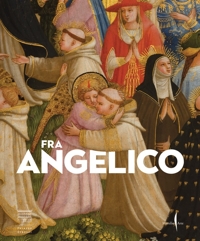
Beato Angelico. Ediz. a colori
Firenze, Palazzo Strozzi, September 26, 2025 - January 25, 2026.
Edited by Carl Brandon Strehlke.
Testi di Stefano Casciu, Marco Mozzo, Angelo Tartuferi.
Venezia, 2025; hardback, pp. 440, 300 col. ill., cm 25,2x29,8.
cover price: € 80.00
|
Books included in the offer:
Beato Angelico. Ediz. a colori
Firenze, Palazzo Strozzi, September 26, 2025 - January 25, 2026.
Edited by Carl Brandon Strehlke.
Testi di Stefano Casciu, Marco Mozzo, Angelo Tartuferi.
Venezia, 2025; hardback, pp. 440, 300 col. ill., cm 25,2x29,8.
FREE (cover price: € 80.00)
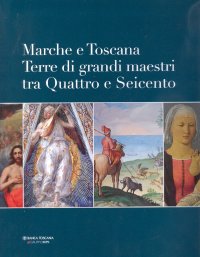
Marche e Toscana. Terre di grandi maestri tra Quattro e Seicento
Ospedaletto, 2007; bound, pp. 320, col. ill., col. plates, cm 25,5x29.
FREE (cover price: € 77.00)
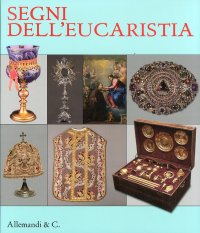
Segni dell'Eucarestia
Edited by M. Luisa Polichetti.
Ancona, Osimo, Loreto Jesi, Senigallia, Fabriano e Metelica, 23 giugno - 31 ottobre 2011.
Torino, 2011; paperback, pp. 221, b/w and col. ill., cm 24x28.
FREE (cover price: € 32.00)
Wang Luyan. Visual Thinking and Measured Painting
Skira
English Text.
Milano, 2012; hardback, pp. 240, 193 col. ill., cm 24x28.
ISBN: 88-572-1128-2 - EAN13: 9788857211282
Subject: Graphic Arts (Prints, Drawings, Engravings, Miniatures),Monographs (Painting and Drawing)
Period: 1960- Contemporary Period
Extra: Oriental Art and Culture
Languages: 
Weight: 1.66 kg
In the reformulation of values in contemporary Chinese art, Wang Luyan's concepts and methodologies differentiate his from those that have been most popular.
The most significant characteristic is his transformation of artistic concepts into the commonplace through social relations and everyday experience. In other words, they have become extensions of everyday life, social aesthetics, technical standards, through which he reflects on his own doubt and confusion. Since 1979, when Wang Luyan first became involved in art, he has been a key participant and witness in every period during the development of Chinese contemporary art.
He is definitely not one of the "hot" or "sentimental" artists, yet he is, undeniably, important.

Gli occhi dell'arte. Scritti, studi e opere in onore di Ferdinando Peretti. Ediz. italiana e inglese

Conte e Mattarella. Sul palcoscenico e dietro le quinte del Quirinale. Un racconto sulle istituzioni
