






 LATEST ART BOOKS
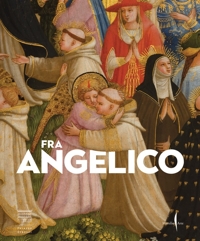
Beato Angelico
Firenze, Palazzo Strozzi, September 26, 2025 - January 25, 2026.
Edited by Carl Brandon Strehlke.
Testi di Stefano Casciu, Marco Mozzo, Angelo Tartuferi.
Venezia, 2025; hardback, pp. 440, 300 col. ill., cm 25,2x29,8.
cover price: € 80.00
|
Books included in the offer:
Beato Angelico
Firenze, Palazzo Strozzi, September 26, 2025 - January 25, 2026.
Edited by Carl Brandon Strehlke.
Testi di Stefano Casciu, Marco Mozzo, Angelo Tartuferi.
Venezia, 2025; hardback, pp. 440, 300 col. ill., cm 25,2x29,8.
FREE (cover price: € 80.00)
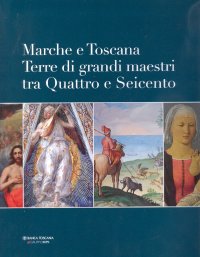
Marche e Toscana. Terre di grandi maestri tra Quattro e Seicento
Ospedaletto, 2007; bound, pp. 320, col. ill., col. plates, cm 25,5x29.
FREE (cover price: € 77.00)
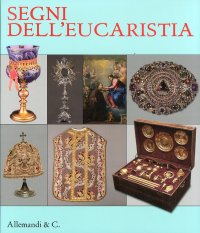
Segni dell'Eucarestia
Edited by M. Luisa Polichetti.
Ancona, Osimo, Loreto Jesi, Senigallia, Fabriano e Metelica, 23 giugno - 31 ottobre 2011.
Torino, 2011; paperback, pp. 221, b/w and col. ill., cm 24x28.
FREE (cover price: € 32.00)
Polychroma. The Meaning of Colours in Roman Sculptures
Silvana Editoriale
Edited by Elisabetta Neri.
English Text.
Cinisello Balsamo, 2024; paperback, pp. 352, col. ill., cm 17x24.
(Bibliothèque d'Histoire Et d'Archeologie).
series: Bibliothèque d'Histoire Et d'Archeologie
ISBN: 88-366-5603-X - EAN13: 9788836656035
Subject: Essays (Art or Architecture),Essays on Ancient Times,Sculpture
Period: 0-1000 (0-XI) Ancient World
Languages: 
Weight: 0 kg
After an assessment of the studies on polychromy already carried out, this book presents the first results of the EU-MSCA-IF PolyCHRoMA project, which documented traces of colours not immediately visible (lost colours) through the physico-chemical analysis of a new corpus of sculptural and architectural elements from some major European and North African museums (Musées royaux d'Art et d'Histoire de Bruxelles, Musée royal de Mariemont, Musée départemental Arles antique, Musée Saint-Raymond de Toulouse, Museo Archeologico di Milano, Museo Nazionale e Museo Arcivescovile in Ravenna, Bardo National Museum and others Tunisian collections). The systematic chronological and contextual study of these traces, before time ensures the loss of colours, confirms that polychromy offers a new source for assessing the cultural meaning of colour at the turn of the first millennium.

Gli occhi dell'arte. Scritti, studi e opere in onore di Ferdinando Peretti. Ediz. italiana e inglese

Armonismo. La luce precede la forma. Una teoria dello spazio tra luce, geometria e asimmetria
Conte e Mattarella. Sul palcoscenico e dietro le quinte del Quirinale. Un racconto sulle istituzioni
