






 LATEST ART BOOKS
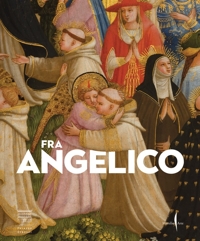
Beato Angelico
Firenze, Palazzo Strozzi, September 26, 2025 - January 25, 2026.
Edited by Carl Brandon Strehlke.
Testi di Stefano Casciu, Marco Mozzo, Angelo Tartuferi.
Venezia, 2025; hardback, pp. 440, 300 col. ill., cm 25,2x29,8.
cover price: € 80.00
|
Books included in the offer:
Beato Angelico
Firenze, Palazzo Strozzi, September 26, 2025 - January 25, 2026.
Edited by Carl Brandon Strehlke.
Testi di Stefano Casciu, Marco Mozzo, Angelo Tartuferi.
Venezia, 2025; hardback, pp. 440, 300 col. ill., cm 25,2x29,8.
FREE (cover price: € 80.00)
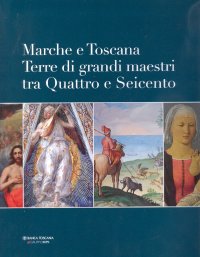
Marche e Toscana. Terre di grandi maestri tra Quattro e Seicento
Ospedaletto, 2007; bound, pp. 320, col. ill., col. plates, cm 25,5x29.
FREE (cover price: € 77.00)
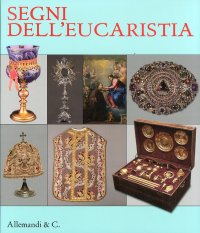
Segni dell'Eucarestia
Edited by M. Luisa Polichetti.
Ancona, Osimo, Loreto Jesi, Senigallia, Fabriano e Metelica, 23 giugno - 31 ottobre 2011.
Torino, 2011; paperback, pp. 221, b/w and col. ill., cm 24x28.
FREE (cover price: € 32.00)
Adrian Tranquilli
Maretti Editore
Texts by Sergio Brancato, Antonello Tolve, Raffaella Frascarelli and Eugenio Viola.
Italian and English Text.
Falciano, 2022; paperback, pp. 240, b/w and col. ill., cm 24x32.
ISBN: 88-9397-040-6 - EAN13: 9788893970402
Subject: Essays (Art or Architecture),Monographs (Painting and Drawing)
Period: 1960- Contemporary Period
Languages: 

Weight: 0 kg
Since entering art's imperfect space, Tranquilli has structured a game been gorged with ploys based on the balance between the study of facts and the processing of ideas, the intellectual fabric and the coherence of materials used a means, or an implant, as pure and simple resource to give thought a shape. This very same game is played on the double front of theory and practice, on transitive connection of twin levels, organized hierarchically by Daedalic qualities (precisely ??????????) which indistinctly absorb both specular subjects - anthropology and sociology, history and geography, cinema and science fiction, sophisticated magazines and mythology - and the roots of art and the technical discourse that permeate its history.
In his first exhibition at Studio Aperto in Rome, the artist attracts attention with a series of works - Svelata (1992), Adora (1993), Credo (1993), Genuflessa (1993), Resta (1993), Amore (1994) and Come te stesso (1994) among others - which show his assimilation of masters (Yves Kline, Toti Scialoja, Nunzio, Louise Bourgeois, Pino Pascali o Katharina Fritsch; all of them followed for their avoidance of the canon of the day) and the desire to enter art's door tout court and move in an elastic area, to look closely at void's blinding obstacle, to go ever deeper into the awareness of a mobile and mutating reality. "In his creative process, Adrian dodges the harmless conclusions of a certain current language, and questions the image within its very origin" Gabriella Drudi suggests on that occasion, "In a sort of rite of reintegration, this artist starts formulating figures as a deliberate choice, annexing contaminated imagery, emotional breakdowns, experiences of the mind funnelled in the misshapen fabric of a dark symbolism" . [...]

Dalle Alpi Giulie al mare. Viaggio nella biodiversità. From the Julian Alps to the Adriatic

Santa Maria dell'Anima. Dinamiche Sociali e Arte di una Comunità Straniera a Roma tra '400 e '600
