






 LATEST ART BOOKS
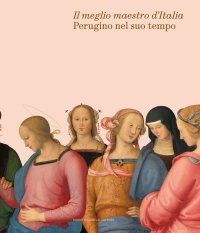
Perugino e il Suo Tempo. "Il Meglio Maestro d'Italia"
Perugia, Galleria Nazionale dell'Umbria, March 4 - June 11, 2023.
Edited by Picchiarelli V. and Pierini M.
Milano, 2023; bound, pp. 592, 650 col. ill., cm 24x21.
cover price: € 40.00
|
Books included in the offer:
Perugino e il Suo Tempo. "Il Meglio Maestro d'Italia"
Perugia, Galleria Nazionale dell'Umbria, March 4 - June 11, 2023.
Edited by Picchiarelli V. and Pierini M.
Milano, 2023; bound, pp. 592, 650 col. ill., cm 24x21.
FREE (cover price: € 40.00)
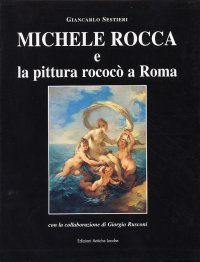
Michele Rocca e la pittura rococo a Roma
Brescia, 2004; bound in a case, pp. 310, b/w and col. ill., tavv., cm 24,5x31,5.
FREE (cover price: € 180.00)
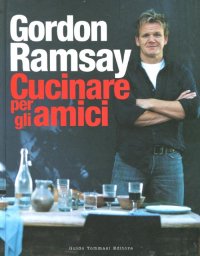
Cucinare per gli amici
Translation by S. Mancuso.
Milano, 2012; clothbound, pp. 269, ill., cm 21x26,5.
(Gli Illustrati).
FREE (cover price: € 29.90)
Music in the Art of Renaissance Italy, 1420-1540
Harvey Miller Publishers
English Text.
London, 2021; bound, pp. 408, 227 col. ill., cm 22x28.
(Studies in Medieval and Early Renaissance Art History).
series: Studies in Medieval and Early Renaissance Art History
ISBN: 1-912554-02-X - EAN13: 9781912554027
Subject: Painting
Period: 1400-1800 (XV-XVIII) Renaissance
Languages: 
Weight: 1 kg
Visual representations of music were ubiquitous in Renaissance Italy. Church interiors were enlivened by altarpieces representing biblical and heavenly musicians, placed in conjunction with the ritual song of the liturgy. The interior spaces of palaces and private houses, in which musical recreations were routine, were adorned with paintings depicting musical characters and myths of the ancient world, and with scenes of contemporary festivity in which music played a central role. Musical luminaries and dilettantes commissioned portraits symbolising their personal and social investment in musical expertise and skill. Such visual representations of music both reflected and sustained a musical culture. The strategies adopted by visual artists when depicting music in any guise betray period understandings of music shared by artists and their clients. At the same time, Renaissance Italians experienced music within a visual environment that prompted them to think about music in particular ways. This book offers the first detailed survey of the representation of music in the art of Renaissance Italy, and in the process opens up new vistas within the social and cultural history of Italian Renaissance music and art.

Pietro Bellotti Detto Canaletty. Un Vedutista Veneziano nella Francia dell'Ancien Régime
Officina Zanon 1946-2026. 80 anni di sapere artigiano-80 Years of craft knowledge. Ediz. bilingue

Conte e Mattarella. Sul palcoscenico e dietro le quinte del Quirinale. Un racconto sulle istituzioni
