






 LATEST ART BOOKS
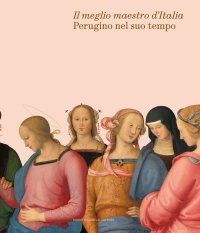
Perugino e il Suo Tempo. "Il Meglio Maestro d'Italia"
Perugia, Galleria Nazionale dell'Umbria, March 4 - June 11, 2023.
Edited by Picchiarelli V. and Pierini M.
Milano, 2023; bound, pp. 592, 650 col. ill., cm 24x21.
cover price: € 40.00
|
Books included in the offer:
Perugino e il Suo Tempo. "Il Meglio Maestro d'Italia"
Perugia, Galleria Nazionale dell'Umbria, March 4 - June 11, 2023.
Edited by Picchiarelli V. and Pierini M.
Milano, 2023; bound, pp. 592, 650 col. ill., cm 24x21.
FREE (cover price: € 40.00)
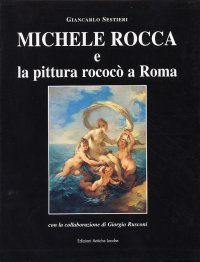
Michele Rocca e la pittura rococo a Roma
Brescia, 2004; bound in a case, pp. 310, b/w and col. ill., tavv., cm 24,5x31,5.
FREE (cover price: € 180.00)
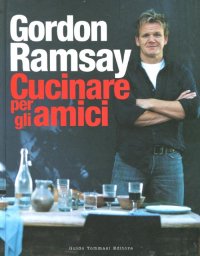
Cucinare per gli amici
Translation by S. Mancuso.
Milano, 2012; clothbound, pp. 269, ill., cm 21x26,5.
(Gli Illustrati).
FREE (cover price: € 29.90)
Ruby Rumié. Nosotros, 172 anos Después. We, 172 years later
Gli Ori
English and Spanish Text.
Pistoia, 2025; hardback, pp. 220, col. ill., cm 23x28.
EAN13: 9791256990351
Subject: Monographs (Painting and Drawing),Painting
Places: Out of Europe
Languages: 

Weight: 1.133 kg
Ruby Rumié: "Colombia is considered a country of many regions each with its own identity and characteristics. The Colombian Caribbean is no stranger to this. I started this project from the perspective of a Colombian woman, with a desire to question, as we are now living through a very tangible social fragmentation of our identity. During this questioning process of our history. I found and researched the collection of images of The Chorographic Commission and a series of academic texts from the 19th century. This allowed me to transfer this inquisitiveness to the nearest context that I am also familiar with, which is the Caribbean".
Rumié invites us to reflect through these photographic portraitures on the lack of visual representations of the historical discourses that have defined the identity of the Colombian Caribbean from the New Granada to the present. The project puts together one hundred people from the Caribbean region whose unique characteristics share the passion and commitment for their trade, and express in a special way their taste and the value they place on the food from this region, as food is one of the most relevant cultural elements.
Born in Cartagena de Indias, Ruby Rumié studied painting, drawing and sculpture at the Cartagena School of Fine Arts (1980-1982). From 1989 to 1996 she worked on hyperrealist painting. She then broke away from academia and pursued her work with a clear focus on social issues, both territorial and on patrimony, questioning her commitment as an artist to society. She has held important exhibitions in Colombia, Chile, the United States and France. She exhibited Hálito Divino (Divine Breath) and Tejiendo calles (Weaving Streets) at the Nohra Haime Gallery in New York and at NH Galería in Cartagena, Colombia. She participated in Art Paris and in the first Biennial of Contemporary Art of Cartagena de Indias with her work Lugar común (Common Place). She was awarded the Rockefeller Foundation Bellagio Center fellowship and Women Together from the United Nations (UN) for her anthropological, social and artistic Works.

Pietro Bellotti Detto Canaletty. Un Vedutista Veneziano nella Francia dell'Ancien Régime
In Re: la stampa della libertà. Leopere di Guem Muk Lee e i disegni di guerra di Giovanni Rubino
Gigante 2027. Catalogo nazionale delle monete italiane dal '700 alla fine della lira
Il libro della magia cerimoniale. La tradizione segreta nella Goetia

Conte e Mattarella. Sul palcoscenico e dietro le quinte del Quirinale. Un racconto sulle istituzioni
