






 LATEST ART BOOKS
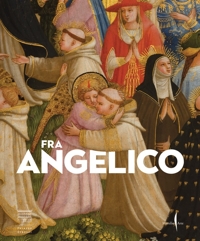
Beato Angelico. Ediz. a colori
Firenze, Palazzo Strozzi, September 26, 2025 - January 25, 2026.
Edited by Carl Brandon Strehlke.
Testi di Stefano Casciu, Marco Mozzo, Angelo Tartuferi.
Venezia, 2025; hardback, pp. 440, 300 col. ill., cm 25,2x29,8.
cover price: € 80.00
|
Books included in the offer:
Beato Angelico. Ediz. a colori
Firenze, Palazzo Strozzi, September 26, 2025 - January 25, 2026.
Edited by Carl Brandon Strehlke.
Testi di Stefano Casciu, Marco Mozzo, Angelo Tartuferi.
Venezia, 2025; hardback, pp. 440, 300 col. ill., cm 25,2x29,8.
FREE (cover price: € 80.00)
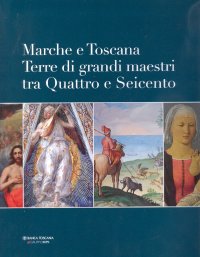
Marche e Toscana. Terre di grandi maestri tra Quattro e Seicento
Ospedaletto, 2007; bound, pp. 320, col. ill., col. plates, cm 25,5x29.
FREE (cover price: € 77.00)
Segni dell'Eucarestia
Edited by M. Luisa Polichetti.
Ancona, Osimo, Loreto Jesi, Senigallia, Fabriano e Metelica, 23 giugno - 31 ottobre 2011.
Torino, 2011; paperback, pp. 221, b/w and col. ill., cm 24x28.
FREE (cover price: € 32.00)

Between Two Images. The Manifest and Scientific Conceptions of the Human Being, 50years On
Edizioni ETS
English Text.
Pisa, 2013; paperback, pp. 220, cm 14x21.
(HumanaMente).
series: HumanaMente
ISBN: 88-467-3566-8 - EAN13: 9788846735669
Subject: Magazines
Languages: 
Weight: 0.45 kg
What makes this issue especially awkward is the fact that these two accounts do not seem to harmonize or be easily integrable in a unitary conception. Rather they convey two very different, and seemingly opposite, worlds: Eddington's more than famous "two tables" have become the icon of this diversity. If this is true and relevant when we deal with objects, it is even more true and relevant when subjects are concerned, when the scientificexperimental methods which were created for the study of nature from an "objective" point of view are then applied to the study of the conscious minds of persons, for instance.
This is not simply a theoretical issue; the way we describe and explain the world and man have a deep influence on the kind of person we eventually become. The understanding of the world and ourselves in fact plays an essential role in the shaping of our identity, and, as Arnold Gehlen once wrote (in a passage that in a certain measure anticipates Sellars): "there is a living being, one of whose most significant characteristics is the need for selfexplanation, for which an "image", an interpretative formula, is necessary"

Gli occhi dell'arte. Scritti, studi e opere in onore di Ferdinando Peretti. Ediz. italiana e inglese

Il viaggio del sole. Alla scoperta dell'identità attraverso l'astrologia umanistica
Conte e Mattarella. Sul palcoscenico e dietro le quinte del Quirinale. Un racconto sulle istituzioni
