






 LATEST ART BOOKS
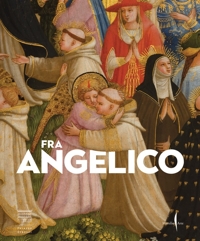
Beato Angelico
Firenze, Palazzo Strozzi, September 26, 2025 - January 25, 2026.
Edited by Carl Brandon Strehlke.
Testi di Stefano Casciu, Marco Mozzo, Angelo Tartuferi.
Venezia, 2025; bound, pp. 440, 300 col. ill., cm 25,2x29,8.
cover price: € 80.00
|
Books included in the offer:
Beato Angelico
Firenze, Palazzo Strozzi, September 26, 2025 - January 25, 2026.
Edited by Carl Brandon Strehlke.
Testi di Stefano Casciu, Marco Mozzo, Angelo Tartuferi.
Venezia, 2025; bound, pp. 440, 300 col. ill., cm 25,2x29,8.
FREE (cover price: € 80.00)
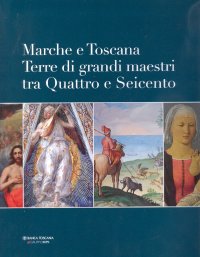
Marche e Toscana. Terre di grandi maestri tra Quattro e Seicento
Ospedaletto, 2007; bound, pp. 320, col. ill., col. plates, cm 25,5x29.
FREE (cover price: € 77.00)
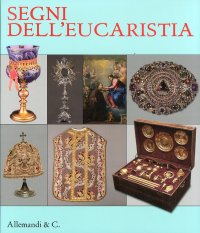
Segni dell'Eucarestia
Edited by M. Luisa Polichetti.
Ancona, Osimo, Loreto Jesi, Senigallia, Fabriano e Metelica, 23 giugno - 31 ottobre 2011.
Torino, 2011; paperback, pp. 221, b/w and col. ill., cm 24x28.
FREE (cover price: € 32.00)
Custom-built. The concept of unique in Italian design. Catalogo della mostra (Milan, 8 April-13 July 2003)
Edizioni Charta
Milano, Palazzo della Triennale, April 8 - July 13, 2003.
Edited by Annicchiarico S.
Translation by Mundell J.
Milano, Palazzo della Triennale, 8 aprile - 13 luglio 2003.
Milano, 2003; paperback, pp. 109, 39 b/w ill., 51 col. ill., cm 16x16.
ISBN: 88-8158-433-6 - EAN13: 9788881584338
Subject: Design
Period: 1800-1960 (XIX-XX) Modern Period,1960- Contemporary Period
Places: Italy
Languages: 
Weight: 0.23 kg
which foreshadow future mass production, even though they are still a long way from defining a model
of production of quality objects for the widest possible range of users and for an effective mass con-sumption.
All pieces reproduced are ”original”. Nothing has been rebuilt. Scored by the years and by
use, they transmit the idea of absolute contem-poraneity
but also inevitable obsolescence.
There is, in each of these, something which
regards us but which no longer belongs to us:
the dream of a form of comfort which works on
volumes and bends materials in the search for
perfect ergonomics but which does not yet
accept the risk and vertigo of laying itself bare to
an authentically social use, the unresolved oscil-lation
between the workshop where they are
created and the factory towards which they are
headed. And it is precisely this contradiction
which make them signs and episodes exempla-ry
of the tortuous way in which Italian industry
and the whole of Italian society has elaborated
its ineluctable relationship with modernity.


Santa Maria dell'Anima. Dinamiche Sociali e Arte di una Comunità Straniera a Roma tra '400 e '600
Out of Catalog
