






 LATEST ART BOOKS
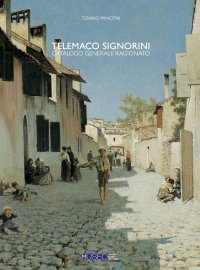
Telemaco Signorini. Catalogo generale ragionato delle opere
Pistoia, 2019; bound, pp. 810, 1500 b/w and col. ill., cm 21,5x29,5.
cover price: € 240.00
|
Books included in the offer:
Telemaco Signorini. Catalogo generale ragionato delle opere
Pistoia, 2019; bound, pp. 810, 1500 b/w and col. ill., cm 21,5x29,5.
FREE (cover price: € 240.00)
Il Pittore Luigi Nono (1850-1918). Catalogo Ragionato dei Dipinti e dei Disegni. La Vita, i Documenti, le Opere
Torino, 2006; 2 vols., bound in a case, pp. 576, 862 b/w ill., 117 col. plates, cm 25x34.
(Varia).
FREE (cover price: € 250.00)

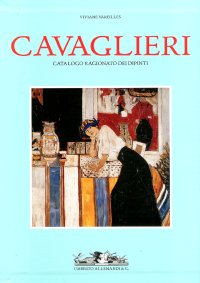
Cavaglieri. Catalogo Ragionato dei Dipinti: la Vita e le Opere. Catalogo delle Opere
Torino, 2006; 2 vols., bound in a case, pp. 608, b/w ill., 125 col. ill., 125 col. plates, cm 25x35.
(Archivi dell'Ottocento).
FREE (cover price: € 250.00)
Emperors and Imperial Discourse in Italy, c. 1300-1500. New Perspectives
Ecole Française de Rome
English Text.
Roma, 2022; paperback, pp. 368, cm 17x24.
(Collection de l'École Française de Rome. 592).
series: Collection de l'École Française de Rome
ISBN: 2-7283-1563-9 - EAN13: 9782728315635
Languages: 
Weight: 1 kg
Only recently has this historiographical framework really been challenged. The present volume builds further on the thesis that humanism was perfectly compatible with imperialist political ideals. It aims to bring together new perspectives on empire and emperors in Italy and to highlight the continuing importance of the imperial ideal throughout the fourteenth and fifteenth century. It focuses on imperial discourses in the writings of Italian historians, humanists, poets, jurists and notaries.
The imitation of Roman emperors is both a sign of the Renaissance and a central aspect in medieval political thought. It may, therefore, not surprise that the descent of the king of the Romans into Italy attracted the attention of Italians with humanist tastes. The name of empire aroused high expectations. Orations, histories, treatises, and letters show that many still generally accepted the legitimacy of the empire and considered the contemporary Holy Roman Emperor as the lawful leader of the Christian world

Pietro Bellotti Detto Canaletty. Un Vedutista Veneziano nella Francia dell'Ancien Régime
Il poliedrico SID in B/N. Nella pittura, nella scultura, nella grafica e nella street art
Building in Africa. Cape to Cairo in 150 days: experiences of an engineer

Gigante 2027. Catalogo nazionale delle monete italiane dal '700 alla fine della lira
Il libro della magia cerimoniale. La tradizione segreta nella Goetia
Conte e Mattarella. Sul palcoscenico e dietro le quinte del Quirinale. Un racconto sulle istituzioni
