






 LATEST ART BOOKS
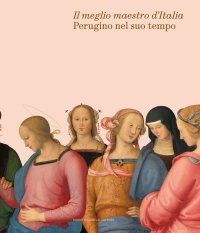
Perugino e il Suo Tempo. "Il Meglio Maestro d'Italia"
Perugia, Galleria Nazionale dell'Umbria, March 4 - June 11, 2023.
Edited by Picchiarelli V. and Pierini M.
Milano, 2023; bound, pp. 592, 650 col. ill., cm 24x21.
cover price: € 40.00
|
Books included in the offer:
Perugino e il Suo Tempo. "Il Meglio Maestro d'Italia"
Perugia, Galleria Nazionale dell'Umbria, March 4 - June 11, 2023.
Edited by Picchiarelli V. and Pierini M.
Milano, 2023; bound, pp. 592, 650 col. ill., cm 24x21.
FREE (cover price: € 40.00)
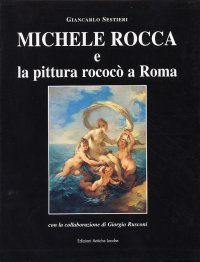
Michele Rocca e la pittura rococo a Roma
Brescia, 2004; bound in a case, pp. 310, b/w and col. ill., tavv., cm 24,5x31,5.
FREE (cover price: € 180.00)
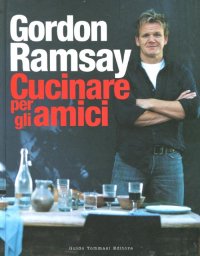
Cucinare per gli amici
Translation by S. Mancuso.
Milano, 2012; clothbound, pp. 269, ill., cm 21x26,5.
(Gli Illustrati).
FREE (cover price: € 29.90)
Mendicant Cultures in the Medieval and Early Modern World. Word, Deed, and Image
Brepols Publishers
English Text.
Turnhout, 2016; clothbound, pp. 322, 45 b/w ill., 1 b/w plates, cm 16x23.
(Europa Sacra. 19).
(Europa Sacra (ES 19)).
series: Europa Sacra.
ISBN: 2-503-55554-3 - EAN13: 9782503555546
Subject: Painting
Period: 1000-1400 (XII-XIV) Middle Ages,1400-1800 (XV-XVIII) Renaissance
Languages: 
Weight: 0.66 kg
The eleven interdisciplinary essays that comprise this book complement and expand upon a significant body of literature on the history of the Franciscan and Dominican orders during the later Middle Ages and the early modern period. They elucidate and examine the ways in which mendicant friars established, sustained, and transformed their institutional identities and shaped the devotional experiences of the faithful to whom they ministered via verbal and visual culture. Taking primary texts and images as their point of departure, these essays break new scholarly ground by revising previous assumptions regarding mendicant life and actions and analysing sites, works of art, and texts that either have been neglected in the existing literature or that have not been examined through the lens of current methodologies such as sermon studies, ritual, gender, and cross-cultural interactions. Indeed, the varied methods and subjects of these essays demonstrate there is still much to be learned about the mendicant orders and the ways and spaces in which they operated and presented themselves on the local, regional, and global stages.

Pietro Bellotti Detto Canaletty. Un Vedutista Veneziano nella Francia dell'Ancien Régime
Il poliedrico SID in B/N. Nella pittura, nella scultura, nella grafica e nella street art
Building in Africa. Cape to Cairo in 150 days: experiences of an engineer

Gigante 2027. Catalogo nazionale delle monete italiane dal '700 alla fine della lira
Il libro della magia cerimoniale. La tradizione segreta nella Goetia
Conte e Mattarella. Sul palcoscenico e dietro le quinte del Quirinale. Un racconto sulle istituzioni
