






 LATEST ART BOOKS
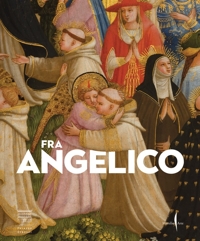
Beato Angelico. Ediz. a colori
Firenze, Palazzo Strozzi, September 26, 2025 - January 25, 2026.
Edited by Carl Brandon Strehlke.
Testi di Stefano Casciu, Marco Mozzo, Angelo Tartuferi.
Venezia, 2025; hardback, pp. 440, 300 col. ill., cm 25,2x29,8.
cover price: € 80.00
|
Books included in the offer:
Beato Angelico. Ediz. a colori
Firenze, Palazzo Strozzi, September 26, 2025 - January 25, 2026.
Edited by Carl Brandon Strehlke.
Testi di Stefano Casciu, Marco Mozzo, Angelo Tartuferi.
Venezia, 2025; hardback, pp. 440, 300 col. ill., cm 25,2x29,8.
FREE (cover price: € 80.00)
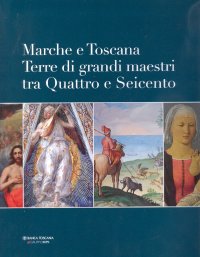
Marche e Toscana. Terre di grandi maestri tra Quattro e Seicento
Ospedaletto, 2007; bound, pp. 320, col. ill., col. plates, cm 25,5x29.
FREE (cover price: € 77.00)
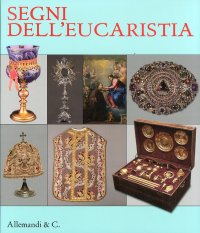
Segni dell'Eucarestia
Edited by M. Luisa Polichetti.
Ancona, Osimo, Loreto Jesi, Senigallia, Fabriano e Metelica, 23 giugno - 31 ottobre 2011.
Torino, 2011; paperback, pp. 221, b/w and col. ill., cm 24x28.
FREE (cover price: € 32.00)
Princes and Paupers. The Art of Jacques Callot
Woodall Dena M. - Diane Wolfthal
The Museum of Fine Arts, Houston
English Text.
Houston, 2013; paperback, pp. 176, ill., cm 24x29.
ISBN: 0-300-18505-7 - EAN13: 9780300185058
Subject: Graphic Arts (Prints, Drawings, Engravings, Miniatures),Painting
Period: 1400-1800 (XV-XVIII) Renaissance
Languages: 
Weight: 0.88 kg
The extraordinary etchings featured in this book testify to Callot's mastery of sacred and profane imagery. The authors delve into Callot's techniques and subjects, ranging from humorous scenes inspired by commedia dell'arte to noble feasts, biblical events, and even the horrors of war. They also explore how the artist used characters from opposite ends of society to expose the complexities and injustices of his time. With his keen sense of observation, Callot held a mirror to European culture of the early 1600s, revealing both its tragic and humorous aspects.

Gli occhi dell'arte. Scritti, studi e opere in onore di Ferdinando Peretti. Ediz. italiana e inglese

Il viaggio del sole. Alla scoperta dell'identità attraverso l'astrologia umanistica
Museo della Ceramica Contemporanea Mediterranea di Cava de' Tirreni. Ediz. a colori
Conte e Mattarella. Sul palcoscenico e dietro le quinte del Quirinale. Un racconto sulle istituzioni
