






 LATEST ART BOOKS
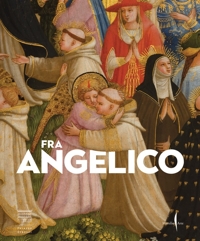
Beato Angelico
Firenze, Palazzo Strozzi, September 26, 2025 - January 25, 2026.
Edited by Carl Brandon Strehlke.
Testi di Stefano Casciu, Marco Mozzo, Angelo Tartuferi.
Venezia, 2025; bound, pp. 440, 300 col. ill., cm 25,2x29,8.
cover price: € 80.00
|
Books included in the offer:
Beato Angelico
Firenze, Palazzo Strozzi, September 26, 2025 - January 25, 2026.
Edited by Carl Brandon Strehlke.
Testi di Stefano Casciu, Marco Mozzo, Angelo Tartuferi.
Venezia, 2025; bound, pp. 440, 300 col. ill., cm 25,2x29,8.
FREE (cover price: € 80.00)
Marche e Toscana. Terre di grandi maestri tra Quattro e Seicento
Ospedaletto, 2007; bound, pp. 320, col. ill., col. plates, cm 25,5x29.
FREE (cover price: € 77.00)
Segni dell'Eucarestia
Edited by M. Luisa Polichetti.
Ancona, Osimo, Loreto Jesi, Senigallia, Fabriano e Metelica, 23 giugno - 31 ottobre 2011.
Torino, 2011; paperback, pp. 221, b/w and col. ill., cm 24x28.
FREE (cover price: € 32.00)
Salvatore Ferragamo. Inspiration and Vision
Stefania Ricci
Skira
Florence, Museo Ferragamo, 27 May 2011 - 12 March 2012.
English Text.
Milano, 2012; paperback, pp. 168, 200 col. ill., cm 27x31.
ISBN: 88-572-1133-9 - EAN13: 9788857211336
Subject: Textiles (Tapestries, Carpets, Embroyderies)
Languages: 
Weight: 1.31 kg
This beautifully illustrated catalogue describes Salvatore Ferragamo's craft trying to identify the sources of his creativity and his innate ability to assimilate the spirit of the times.
Through almost 100 models for footwear the book takes into consideration two periods in his life where conditions encouraged inspiration and visions to flourish and which influenced the artist's later life: his move to California around 1915 and his return to Florence in 1927.
Ferragamo's experience in Hollywood was an opportunity to meet extraordinary people of the emerging cinematographic industry. The culture of the territory also was source of inspiration: the decoration used by the American Indians, the fabrics and colours of quilts made by Quaker communities, the richness of South American craftsmanship, are reflected in the models of those years and return decades later in his innovations like a signature style.
In Florence Ferragamo was impressed not only by the architecture, but also by the public and private collections of applied arts. Alongside an interest in tradition and historical finds, he was also affected by experiments with material and colour carried out by avant-garde artists, the Futurists in particular, for whom in the Twenties Florence itself was a first order cultural epicentre.

Pietro Bellotti Detto Canaletty. Un Vedutista Veneziano nella Francia dell'Ancien Régime
Gli occhi dell'arte. Scritti, studi e opere in onore di Ferdinando Peretti. Ediz. italiana e inglese

Il poliedrico SID in B/N. Nella pittura, nella scultura, nella grafica e nella street art
Conte e Mattarella. Sul palcoscenico e dietro le quinte del Quirinale. Un racconto sulle istituzioni
