






 LATEST ART BOOKS
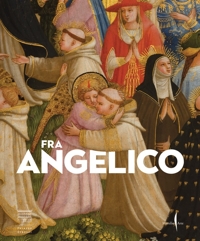
Beato Angelico. Ediz. a colori
Firenze, Palazzo Strozzi, September 26, 2025 - January 25, 2026.
Edited by Carl Brandon Strehlke.
Testi di Stefano Casciu, Marco Mozzo, Angelo Tartuferi.
Venezia, 2025; hardback, pp. 440, 300 col. ill., cm 25,2x29,8.
cover price: € 80.00
|
Books included in the offer:
Beato Angelico. Ediz. a colori
Firenze, Palazzo Strozzi, September 26, 2025 - January 25, 2026.
Edited by Carl Brandon Strehlke.
Testi di Stefano Casciu, Marco Mozzo, Angelo Tartuferi.
Venezia, 2025; hardback, pp. 440, 300 col. ill., cm 25,2x29,8.
FREE (cover price: € 80.00)
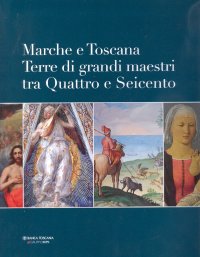
Marche e Toscana. Terre di grandi maestri tra Quattro e Seicento
Ospedaletto, 2007; bound, pp. 320, col. ill., col. plates, cm 25,5x29.
FREE (cover price: € 77.00)
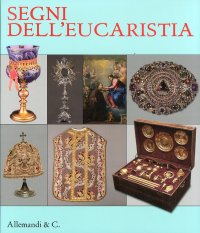
Segni dell'Eucarestia
Edited by M. Luisa Polichetti.
Ancona, Osimo, Loreto Jesi, Senigallia, Fabriano e Metelica, 23 giugno - 31 ottobre 2011.
Torino, 2011; paperback, pp. 221, b/w and col. ill., cm 24x28.
FREE (cover price: € 32.00)
The Oxford Handbook of Public Archaeology
Robin Skeates - Carol McDavid - John Carman (eds)
Oxford University Press
Oxford, 2012; hardback, pp. 700, ill., cm 18x26.
ISBN: 0-19-923782-4 - EAN13: 9780199237821
Subject: Essays on Ancient Times
Languages: 
Weight: 1.64 kg
The Oxford Handbook of Public Archaeology seeks to reappraise the place of archaeology in the contemporary world by providing a series of essays that critically engage with both old and current debates in the field of public archaeology. Divided into four distinct sections and drawing across disciplines in this dynamic field, the volume aims to evaluate the range of research strategies and methods used in archaeological heritage and museum studies, identify and contribute to key contemporary debates, critically explore the history of archaeological resource management, and question the fundamental principles and practices through which the archaeological past is understood and used today.

Gli occhi dell'arte. Scritti, studi e opere in onore di Ferdinando Peretti. Ediz. italiana e inglese

Guerra e resistenza. Tra fame, razionamenti e borsa nera: l'incognita costante del mangiare
Folklands. Montagne, foreste, oceani e deserti attraverso simboli, miti, leggende e folklore
Giovanni Bernardo Carbone 1616-1683. Un ritrattista «alla moda» nella Genova di metà Seicento
Museo della Ceramica Contemporanea Mediterranea di Cava de' Tirreni. Ediz. a colori
Conte e Mattarella. Sul palcoscenico e dietro le quinte del Quirinale. Un racconto sulle istituzioni
