






 LATEST ART BOOKS
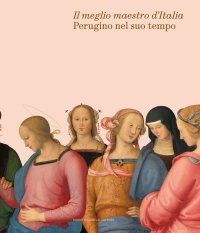
Perugino e il Suo Tempo. "Il Meglio Maestro d'Italia"
Perugia, Galleria Nazionale dell'Umbria, March 4 - June 11, 2023.
Edited by Picchiarelli V. and Pierini M.
Milano, 2023; bound, pp. 592, 650 col. ill., cm 24x21.
cover price: € 40.00
|
Books included in the offer:
Perugino e il Suo Tempo. "Il Meglio Maestro d'Italia"
Perugia, Galleria Nazionale dell'Umbria, March 4 - June 11, 2023.
Edited by Picchiarelli V. and Pierini M.
Milano, 2023; bound, pp. 592, 650 col. ill., cm 24x21.
FREE (cover price: € 40.00)
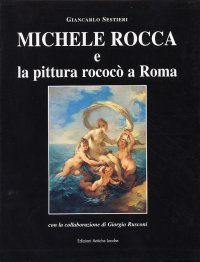
Michele Rocca e la pittura rococo a Roma
Brescia, 2004; bound in a case, pp. 310, b/w and col. ill., tavv., cm 24,5x31,5.
FREE (cover price: € 180.00)
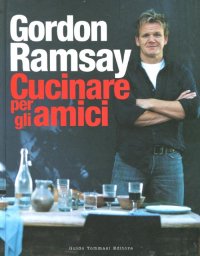
Cucinare per gli amici
Translation by S. Mancuso.
Milano, 2012; clothbound, pp. 269, ill., cm 21x26,5.
(Gli Illustrati).
FREE (cover price: € 29.90)
Titian and Tragic Painting. Aristotle's Poetics and the Rise of the Modern Artist
Puttfarken Thomas
Yale University Press
English Text.
London, 2005; clothbound, pp. 256, 65 b/w ill., 20 col. ill., cm 26x19,5.
ISBN: 0-300-11000-6 - EAN13: 9780300110005
Subject: Painting
Period: 1400-1800 (XV-XVIII) Renaissance
Places: No Place
Languages: 
Weight: 1.07 kg
In this major reinterpretation of Titian's art, Thomas Puttfarken shows that the often dramatic and violent subject matter of these works was not, as is often argued, the consequence of the artist's increasing age and sense of isolation and tragedy. Rather, these paintings were influenced by discussions of Aristotle's Poetics that permeated learned discourse in Italy in the mid-sixteenth century. The Poetics led directly to a rich theory of the visual arts, and painting in particular, that enabled artists like Titian to consider themselves on equal footing with poets. Puttfarken investigates Titian's late works in this context and analyses his relations with his patrons, his intellectual and humanistic contacts and his choices of subject matter, style and technique.

Pietro Bellotti Detto Canaletty. Un Vedutista Veneziano nella Francia dell'Ancien Régime
Officina Zanon 1946-2026. 80 anni di sapere artigiano-80 Years of craft knowledge. Ediz. bilingue

Conte e Mattarella. Sul palcoscenico e dietro le quinte del Quirinale. Un racconto sulle istituzioni
