






 LATEST ART BOOKS
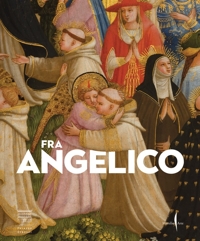
Beato Angelico. Ediz. a colori
Firenze, Palazzo Strozzi, September 26, 2025 - January 25, 2026.
Edited by Carl Brandon Strehlke.
Testi di Stefano Casciu, Marco Mozzo, Angelo Tartuferi.
Venezia, 2025; hardback, pp. 440, 300 col. ill., cm 25,2x29,8.
cover price: € 80.00
|
Books included in the offer:
Beato Angelico. Ediz. a colori
Firenze, Palazzo Strozzi, September 26, 2025 - January 25, 2026.
Edited by Carl Brandon Strehlke.
Testi di Stefano Casciu, Marco Mozzo, Angelo Tartuferi.
Venezia, 2025; hardback, pp. 440, 300 col. ill., cm 25,2x29,8.
FREE (cover price: € 80.00)
Marche e Toscana. Terre di grandi maestri tra Quattro e Seicento
Ospedaletto, 2007; bound, pp. 320, col. ill., col. plates, cm 25,5x29.
FREE (cover price: € 77.00)
Segni dell'Eucarestia
Edited by M. Luisa Polichetti.
Ancona, Osimo, Loreto Jesi, Senigallia, Fabriano e Metelica, 23 giugno - 31 ottobre 2011.
Torino, 2011; paperback, pp. 221, b/w and col. ill., cm 24x28.
FREE (cover price: € 32.00)
East Polynesia. Architectural and Cultural Guide
Natascha Meuser, Philipp Meuser
DOM Publishers
With additional contributions by Martín Anzellini, Coni Bohorquez, Bill McKay, Paul Meuser, and Jacqueline Windh.
English Text.
Berlin, 2025; paperback, pp. 448, 720 col. ill., cm 135x245.
ISBN: 3-86922-846-6 - EAN13: 9783869228464
Subject: Civil Architecture/Art
Languages: 
Weight: 0 kg
With contributions from local experts, architects, geologists, and historians, the guide foregrounds the complex entanglements of place, power, and memory. Rather than offering a conventional typological catalogue, it maps networks of meaning: from sacred stone platforms (marae) and climate-responsive vernacular dwellings to the infrastructural legacies of nuclear testing and space-age geopolitics. The Pacific is not portrayed as a void but as a stage of cultural innovation and architectural intelligence.
This publication is a carefully curated, research-based exploration of a region where architecture emerges not as monumentality, but as method: flexible, bioclimatic, and socially coded. Aimed at critically minded travellers, scholars, and architects, this volume invites readers to reconsider what architecture can mean in contexts defined not by permanence, but by rhythm, movement, and relational space.

Gli occhi dell'arte. Scritti, studi e opere in onore di Ferdinando Peretti. Ediz. italiana e inglese

Giovanni Bernardo Carbone 1616-1683. Un ritrattista «alla moda» nella Genova di metà Seicento
Museo della Ceramica Contemporanea Mediterranea di Cava de' Tirreni. Ediz. a colori
Conte e Mattarella. Sul palcoscenico e dietro le quinte del Quirinale. Un racconto sulle istituzioni
