






 LATEST ART BOOKS
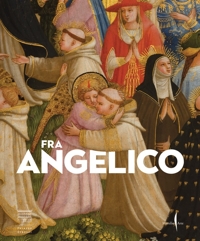
Beato Angelico. Ediz. a colori
Firenze, Palazzo Strozzi, September 26, 2025 - January 25, 2026.
Edited by Carl Brandon Strehlke.
Testi di Stefano Casciu, Marco Mozzo, Angelo Tartuferi.
Venezia, 2025; hardback, pp. 440, 300 col. ill., cm 25,2x29,8.
cover price: € 80.00
|
Books included in the offer:
Beato Angelico. Ediz. a colori
Firenze, Palazzo Strozzi, September 26, 2025 - January 25, 2026.
Edited by Carl Brandon Strehlke.
Testi di Stefano Casciu, Marco Mozzo, Angelo Tartuferi.
Venezia, 2025; hardback, pp. 440, 300 col. ill., cm 25,2x29,8.
FREE (cover price: € 80.00)
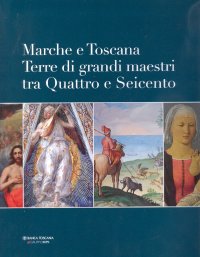
Marche e Toscana. Terre di grandi maestri tra Quattro e Seicento
Ospedaletto, 2007; bound, pp. 320, col. ill., col. plates, cm 25,5x29.
FREE (cover price: € 77.00)
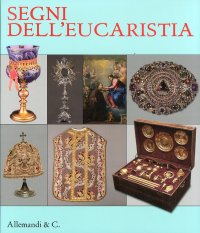
Segni dell'Eucarestia
Edited by M. Luisa Polichetti.
Ancona, Osimo, Loreto Jesi, Senigallia, Fabriano e Metelica, 23 giugno - 31 ottobre 2011.
Torino, 2011; paperback, pp. 221, b/w and col. ill., cm 24x28.
FREE (cover price: € 32.00)
Patterned Panels. Mosaic Façades by the Jarsky Brothers in Soviet and Uzbek Tashkent 1969-1999
Meuser Philipp
DOM Publishers
English Text.
Berlin, 2025; bound, pp. 320, 480 col. ill., cm 24,5x28.
ISBN: 3-86922-576-9 - EAN13: 9783869225760
Subject: Decorative Arts (Ceramics, Porcelain, Majolica),Glass
Period: 1960- Contemporary Period
Languages: 
Weight: 0 kg
This book documents for the first time the life and work of the Jarsky brothers, whose mosaic murals now number among Uzbekistan's officially protected cultural assets. Based on two decades of research and rare personal encounters with the Jarsky family, it presents an architectural history written not by ministries but by hands shaping tiles - and identities - into lasting form.
More than an homage, this monograph is a call to action. It interrogates the politics of heritage, the historiography of standardised architecture, and the role of art in contested urban space. As Uzbekistan cautiously begins to valorise its Soviet-era past, the question lingers: will these Modernist surfaces, born of a utopian impulse, find their place on the global stage of architectural heritage?

Gli occhi dell'arte. Scritti, studi e opere in onore di Ferdinando Peretti. Ediz. italiana e inglese

Giovanni Bernardo Carbone 1616-1683. Un ritrattista «alla moda» nella Genova di metà Seicento
Museo della Ceramica Contemporanea Mediterranea di Cava de' Tirreni. Ediz. a colori
Conte e Mattarella. Sul palcoscenico e dietro le quinte del Quirinale. Un racconto sulle istituzioni
