






 LATEST ART BOOKS
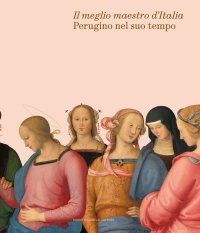
Perugino e il Suo Tempo. "Il Meglio Maestro d'Italia"
Perugia, Galleria Nazionale dell'Umbria, March 4 - June 11, 2023.
Edited by Picchiarelli V. and Pierini M.
Milano, 2023; bound, pp. 592, 650 col. ill., cm 24x21.
cover price: € 40.00
|
Books included in the offer:
Perugino e il Suo Tempo. "Il Meglio Maestro d'Italia"
Perugia, Galleria Nazionale dell'Umbria, March 4 - June 11, 2023.
Edited by Picchiarelli V. and Pierini M.
Milano, 2023; bound, pp. 592, 650 col. ill., cm 24x21.
FREE (cover price: € 40.00)
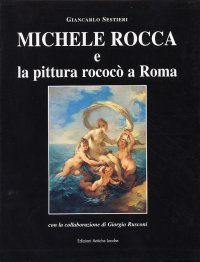
Michele Rocca e la pittura rococo a Roma
Brescia, 2004; bound in a case, pp. 310, b/w and col. ill., tavv., cm 24,5x31,5.
FREE (cover price: € 180.00)
Cucinare per gli amici
Translation by S. Mancuso.
Milano, 2012; clothbound, pp. 269, ill., cm 21x26,5.
(Gli Illustrati).
FREE (cover price: € 29.90)
Byzantine Art and Renaissance Europe
Lymberopoulou Angeliki
Ashgate Publishing Limited
Aldershot, 2018; hardback, pp. 230, ill., cm 17x24.
ISBN: 1-4094-2038-8 - EAN13: 9781409420385
Subject: Painting,Sculpture
Period: 1000-1400 (XII-XIV) Middle Ages,1400-1800 (XV-XVIII) Renaissance
Languages: 
Weight: 0.68 kg
In the first chapter, Lyn Rodley outlines the development of Byzantine art in the Palaiologan era and its relations with western culture. Hans Bloemsma then re-assesses the influence of Byzantine art on early Italian painting from the point of view of changing demands regarding religious images in Italy. In the first of two chapters on Venetian Crete, Angeliki Lymberopoulou evaluates the impact of the Venetian presence on the production of fresco decorations in regional Byzantine churches on the island. The next chapter, by Diana Newall, continues the exploration of Cretan art manufactured under the Venetians, shifting the focus to the bi-cultural society of the Cretan capital Candia and the rise of the post-Byzantine icon. Kim Woods then addresses the reception of Byzantine icons in western Europe in the late Middle Ages and their role as devotional objects in the Roman Catholic Church. Finally, Rembrandt Duits examines the status of Byzantine icons as collectors' items in early Renaissance Italy. The inventories of the Medici family and other collectors reveal an appreciation for icons among Italian patrons, which suggests that received notions of Renaissance tastes may be in need of revision. The book thus offers new perspectives and insights and re-positions late and post-Byzantine art in a broader European cultural context.

Pietro Bellotti Detto Canaletty. Un Vedutista Veneziano nella Francia dell'Ancien Régime
Il poliedrico SID in B/N. Nella pittura, nella scultura, nella grafica e nella street art
Building in Africa. Cape to Cairo in 150 days: experiences of an engineer

Gigante 2027. Catalogo nazionale delle monete italiane dal '700 alla fine della lira
Il libro della magia cerimoniale. La tradizione segreta nella Goetia
Conte e Mattarella. Sul palcoscenico e dietro le quinte del Quirinale. Un racconto sulle istituzioni
