






 LATEST ART BOOKS
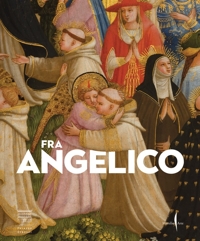
Beato Angelico. Ediz. a colori
Firenze, Palazzo Strozzi, September 26, 2025 - January 25, 2026.
Edited by Carl Brandon Strehlke.
Testi di Stefano Casciu, Marco Mozzo, Angelo Tartuferi.
Venezia, 2025; hardback, pp. 440, 300 col. ill., cm 25,2x29,8.
cover price: € 80.00
|
Books included in the offer:
Beato Angelico. Ediz. a colori
Firenze, Palazzo Strozzi, September 26, 2025 - January 25, 2026.
Edited by Carl Brandon Strehlke.
Testi di Stefano Casciu, Marco Mozzo, Angelo Tartuferi.
Venezia, 2025; hardback, pp. 440, 300 col. ill., cm 25,2x29,8.
FREE (cover price: € 80.00)
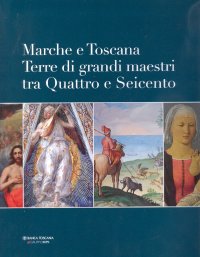
Marche e Toscana. Terre di grandi maestri tra Quattro e Seicento
Ospedaletto, 2007; bound, pp. 320, col. ill., col. plates, cm 25,5x29.
FREE (cover price: € 77.00)
Segni dell'Eucarestia
Edited by M. Luisa Polichetti.
Ancona, Osimo, Loreto Jesi, Senigallia, Fabriano e Metelica, 23 giugno - 31 ottobre 2011.
Torino, 2011; paperback, pp. 221, b/w and col. ill., cm 24x28.
FREE (cover price: € 32.00)

The Rock Art of Norway
Lodoen Trond - Mandt Gro
Oxbow Books
English Text.
Co-Editore: OX1 2EW.
Oxford, 2009; paperback, pp. 340, b/w and col. ill., cm 24,5x18,5.
series: Advance Book Information.
ISBN: 1-905119-28-3 - EAN13: 9781905119288
Subject: Essays on Ancient Times
Period: 0-1000 (0-XI) Ancient World
Places: Europe
Languages: 
Weight: 0.91 kg
It has been a common practice to group Scandinavian rock art under two main categories: the veidekunst [hunter's art] or the Northern Tradition - associated with hunters and gatherers of the Stone Age, in the period 90002000 B.C; and the jordbruksristninger [agricultural petroglyphs] or the Southern Tradition - associated with people of the Bronze and early Iron Age, from approximately 1800 B.C. until about 400 AD, who practiced farming as a livelihood.
Whether the images of the hunter nomads and the farmers represent two distinct and independent traditions, or whether they represent a continuous tradition encompassing changes in expression over time, is still today an unresolved issue.
This book raises questions about the meanings that can be derived from the rock art of Norway and aims to study the images in the context of other traces found of the same society. Through the sites explored and the stories told, this book represents a voyage in time and space from the oldest images to the youngest, from farthest north to farthest south of the country.

Gli occhi dell'arte. Scritti, studi e opere in onore di Ferdinando Peretti. Ediz. italiana e inglese

Il viaggio del sole. Alla scoperta dell'identità attraverso l'astrologia umanistica
Conte e Mattarella. Sul palcoscenico e dietro le quinte del Quirinale. Un racconto sulle istituzioni
