






 LATEST ART BOOKS
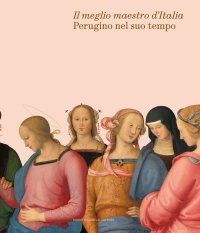
Perugino e il Suo Tempo. "Il Meglio Maestro d'Italia"
Perugia, Galleria Nazionale dell'Umbria, March 4 - June 11, 2023.
Edited by Picchiarelli V. and Pierini M.
Milano, 2023; bound, pp. 592, 650 col. ill., cm 24x21.
cover price: € 40.00
|
Books included in the offer:
Perugino e il Suo Tempo. "Il Meglio Maestro d'Italia"
Perugia, Galleria Nazionale dell'Umbria, March 4 - June 11, 2023.
Edited by Picchiarelli V. and Pierini M.
Milano, 2023; bound, pp. 592, 650 col. ill., cm 24x21.
FREE (cover price: € 40.00)
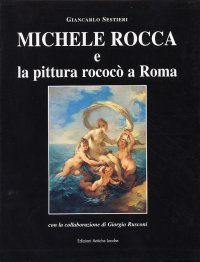
Michele Rocca e la pittura rococo a Roma
Brescia, 2004; bound in a case, pp. 310, b/w and col. ill., tavv., cm 24,5x31,5.
FREE (cover price: € 180.00)
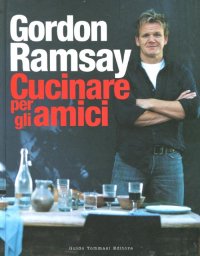
Cucinare per gli amici
Translation by S. Mancuso.
Milano, 2012; clothbound, pp. 269, ill., cm 21x26,5.
(Gli Illustrati).
FREE (cover price: € 29.90)
The Making of Hispano-Flemish Style. Art, Commerce, and Politics in Fifteenth-Century Castile
Kasl R.
Brepols Publishers
English Text.
Turnhout, 2014; hardback, pp. 300, ill., cm 24x30.
(Me Fecit).
series: Me Fecit
ISBN: 2-503-54624-2 - EAN13: 9782503546247
Subject: Painting,Sculpture
Period: 1400-1800 (XV-XVIII) Renaissance
Languages: 
Weight: 1.48 kg
The adoption of northern forms in Castile, first detected in the sculptural decoration of funerary chapels of the mid-1430s, was sustained for the rest of the century, culminating in the completion of the monastery of Miraflores under the patronage of Isabel of Castile. Chapter three outlines the religious, commemorative, and political motives that informed the foundation of the monastery by Juan II and those that animated his daughter's efforts to complete it. It establishes the chronology of works in relation to historical events and details the intervention of Juan and Simón de Colonia, Gil de Siloe, Juan de Flandes, and others. The reelaboration of Siloe's northern European sculptural idiom at Miraflores was a distinctive process, stimulated by the demands of his royal patron, conditioned by the practices of a heterogeneous workshop, and obliged to visualize a new concept of royal sovereignty.

Pietro Bellotti Detto Canaletty. Un Vedutista Veneziano nella Francia dell'Ancien Régime
Il poliedrico SID in B/N. Nella pittura, nella scultura, nella grafica e nella street art
Building in Africa. Cape to Cairo in 150 days: experiences of an engineer

Gigante 2027. Catalogo nazionale delle monete italiane dal '700 alla fine della lira
Il libro della magia cerimoniale. La tradizione segreta nella Goetia
Conte e Mattarella. Sul palcoscenico e dietro le quinte del Quirinale. Un racconto sulle istituzioni
