






 LATEST ART BOOKS
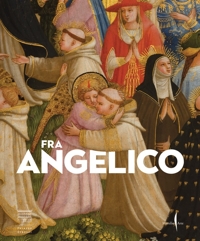
Beato Angelico. Ediz. a colori
Firenze, Palazzo Strozzi, September 26, 2025 - January 25, 2026.
Edited by Carl Brandon Strehlke.
Testi di Stefano Casciu, Marco Mozzo, Angelo Tartuferi.
Venezia, 2025; hardback, pp. 440, 300 col. ill., cm 25,2x29,8.
cover price: € 80.00
|
Books included in the offer:
Beato Angelico. Ediz. a colori
Firenze, Palazzo Strozzi, September 26, 2025 - January 25, 2026.
Edited by Carl Brandon Strehlke.
Testi di Stefano Casciu, Marco Mozzo, Angelo Tartuferi.
Venezia, 2025; hardback, pp. 440, 300 col. ill., cm 25,2x29,8.
FREE (cover price: € 80.00)
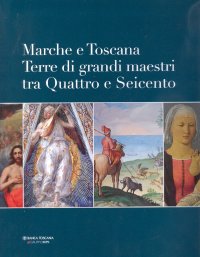
Marche e Toscana. Terre di grandi maestri tra Quattro e Seicento
Ospedaletto, 2007; bound, pp. 320, col. ill., col. plates, cm 25,5x29.
FREE (cover price: € 77.00)
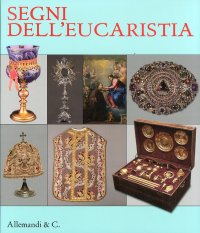
Segni dell'Eucarestia
Edited by M. Luisa Polichetti.
Ancona, Osimo, Loreto Jesi, Senigallia, Fabriano e Metelica, 23 giugno - 31 ottobre 2011.
Torino, 2011; paperback, pp. 221, b/w and col. ill., cm 24x28.
FREE (cover price: € 32.00)
The Culture of San Sepolcro during the Youth of Piero della Francesca
James R. Banker
University of Michigan Press
English Text.
Jackson, 2002; clothbound, pp. 288, cm 16x23,5.
ISBN: 0-472-11301-1 - EAN13: 9780472113019
Languages: 
Weight: 0.52 kg
In The Culture of San Sepolcro during the Youth of Piero della Francesca, James R. Banker digs deeply into previously undiscovered archival evidence to examine della Francesca's yet unstudied earliest works and their connections to his putative formation in Florence. Banker's historical investigation also moves beyond the biography of this influential Renaissance artist, integrating social and art history to provide a rich and informative cultural context for della Francesca's development. Banker explores the influence of della Francesca's family on his life and work, in order to understand the role of the family in the vibrant artisan culture of the Tuscan Renaissance. Banker's analyses of the political and social organization of San Sepolcro, as well as its specific religious construction, further illuminate the intellectual background for della Francesca's growth as a pioneering artist.

Pietro Bellotti Detto Canaletty. Un Vedutista Veneziano nella Francia dell'Ancien Régime
Gli occhi dell'arte. Scritti, studi e opere in onore di Ferdinando Peretti. Ediz. italiana e inglese

Studi e ricerche di storia dell'architettura (2024). Vol. 16: Rootless-Senza radici
Conte e Mattarella. Sul palcoscenico e dietro le quinte del Quirinale. Un racconto sulle istituzioni
