






 LATEST ART BOOKS
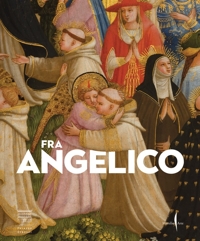
Beato Angelico. Ediz. a colori
Firenze, Palazzo Strozzi, September 26, 2025 - January 25, 2026.
Edited by Carl Brandon Strehlke.
Testi di Stefano Casciu, Marco Mozzo, Angelo Tartuferi.
Venezia, 2025; hardback, pp. 440, 300 col. ill., cm 25,2x29,8.
cover price: € 80.00
|
Books included in the offer:
Beato Angelico. Ediz. a colori
Firenze, Palazzo Strozzi, September 26, 2025 - January 25, 2026.
Edited by Carl Brandon Strehlke.
Testi di Stefano Casciu, Marco Mozzo, Angelo Tartuferi.
Venezia, 2025; hardback, pp. 440, 300 col. ill., cm 25,2x29,8.
FREE (cover price: € 80.00)
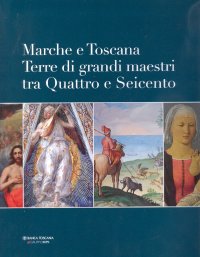
Marche e Toscana. Terre di grandi maestri tra Quattro e Seicento
Ospedaletto, 2007; bound, pp. 320, col. ill., col. plates, cm 25,5x29.
FREE (cover price: € 77.00)
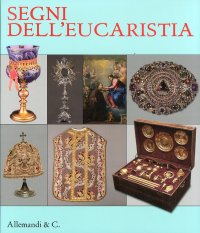
Segni dell'Eucarestia
Edited by M. Luisa Polichetti.
Ancona, Osimo, Loreto Jesi, Senigallia, Fabriano e Metelica, 23 giugno - 31 ottobre 2011.
Torino, 2011; paperback, pp. 221, b/w and col. ill., cm 24x28.
FREE (cover price: € 32.00)
Hadrian'S Wall. A Life
Hingley Richard
Oxford University Press
English Text.
Oxford, 2012; hardback, pp. 320, 109 col. ill., cm 18x25.
ISBN: 0-19-964141-2 - EAN13: 9780199641413
Subject: Essays (Art or Architecture)
Languages: 
Weight: 0.84 kg
While the Wall is famous as a Roman construct, its monumental physical structure did not suddenly cease to exist in the fifth century. This volume explores the after-life of Hadrian's Wall and considers the ways it has been imagined, represented, and researched from the sixth century to the internet. The sixteen chapters, illustrated with over 100 images, show the changing manner in which the Wall has been conceived and the significant role it has played in imagining the identity of the English, including its appropriation as symbolic boundary between England and Scotland. Hingley discusses the transforming political, cultural, and religious significance of the Wall during this entire period and addresses the ways in which scholars and artists have been inspired by the monument over the years.

Gli occhi dell'arte. Scritti, studi e opere in onore di Ferdinando Peretti. Ediz. italiana e inglese

Giovanni Bernardo Carbone 1616-1683. Un ritrattista «alla moda» nella Genova di metà Seicento
Museo della Ceramica Contemporanea Mediterranea di Cava de' Tirreni. Ediz. a colori
Conte e Mattarella. Sul palcoscenico e dietro le quinte del Quirinale. Un racconto sulle istituzioni
