






 LATEST ART BOOKS
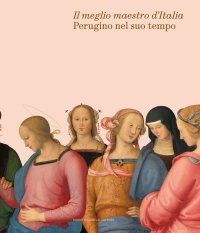
Perugino e il Suo Tempo. "Il Meglio Maestro d'Italia"
Perugia, Galleria Nazionale dell'Umbria, March 4 - June 11, 2023.
Edited by Picchiarelli V. and Pierini M.
Milano, 2023; bound, pp. 592, 650 col. ill., cm 24x21.
cover price: € 40.00
|
Books included in the offer:
Perugino e il Suo Tempo. "Il Meglio Maestro d'Italia"
Perugia, Galleria Nazionale dell'Umbria, March 4 - June 11, 2023.
Edited by Picchiarelli V. and Pierini M.
Milano, 2023; bound, pp. 592, 650 col. ill., cm 24x21.
FREE (cover price: € 40.00)
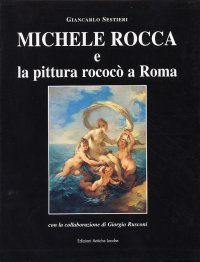
Michele Rocca e la pittura rococo a Roma
Brescia, 2004; bound in a case, pp. 310, b/w and col. ill., tavv., cm 24,5x31,5.
FREE (cover price: € 180.00)
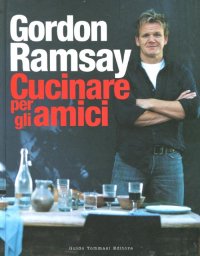
Cucinare per gli amici
Translation by S. Mancuso.
Milano, 2012; clothbound, pp. 269, ill., cm 21x26,5.
(Gli Illustrati).
FREE (cover price: € 29.90)
Architecture and Spectacle. A Critique
Hartoonian Gevork
Ashgate Publishing Limited
Aldershot, 2012; hardback, pp. 360, ill., cm 17x24.
ISBN: 1-4094-2293-3 - EAN13: 9781409422938
Subject: Essays (Art or Architecture)
Languages: 
Weight: 0.75 kg
Focusing on six leading contemporary architects: Peter Eisenman, Frank Gehry, Bernard Tschumi, Zaha Hadid, Rem Koolhaas and Steven Hol, this book puts forward a unique and insightful analysis of "neo-avant-garde" architecture. It discusses the spectacle and excess which permeates contemporary architecture in reference to the present aesthetic tendency for image making, but does so by applying the tectonic of theatricality discussed by the 19th-century German architect Gottfried Semper. In doing so, it breaks new ground by opening up a dialogue between the study of the past and the design of the present. The work of each discussed architect is seen as addressing a historiographical problem. To this end, and this is the second important aspect of this book, the chosen buildings are discussed in terms of the thematic of the culture of building (the tectonic of column and wall for example) rather the formal, and this through a discussion that is informed by the latest available theories. Having set the aesthetic implication of the processes of the digitalization of architecture, the book's conclusion highlights "strategies" by which architecture might postpone the full consequences of digitalization, and thus the becoming of architecture as ornament on its own right.

Pietro Bellotti Detto Canaletty. Un Vedutista Veneziano nella Francia dell'Ancien Régime
Il poliedrico SID in B/N. Nella pittura, nella scultura, nella grafica e nella street art
Building in Africa. Cape to Cairo in 150 days: experiences of an engineer

Gigante 2027. Catalogo nazionale delle monete italiane dal '700 alla fine della lira
Il libro della magia cerimoniale. La tradizione segreta nella Goetia
Conte e Mattarella. Sul palcoscenico e dietro le quinte del Quirinale. Un racconto sulle istituzioni
