






 LATEST ART BOOKS
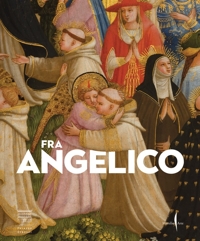
Beato Angelico. Ediz. a colori
Firenze, Palazzo Strozzi, September 26, 2025 - January 25, 2026.
Edited by Carl Brandon Strehlke.
Testi di Stefano Casciu, Marco Mozzo, Angelo Tartuferi.
Venezia, 2025; hardback, pp. 440, 300 col. ill., cm 25,2x29,8.
cover price: € 80.00
|
Books included in the offer:
Beato Angelico. Ediz. a colori
Firenze, Palazzo Strozzi, September 26, 2025 - January 25, 2026.
Edited by Carl Brandon Strehlke.
Testi di Stefano Casciu, Marco Mozzo, Angelo Tartuferi.
Venezia, 2025; hardback, pp. 440, 300 col. ill., cm 25,2x29,8.
FREE (cover price: € 80.00)
Marche e Toscana. Terre di grandi maestri tra Quattro e Seicento
Ospedaletto, 2007; bound, pp. 320, col. ill., col. plates, cm 25,5x29.
FREE (cover price: € 77.00)
Segni dell'Eucarestia
Edited by M. Luisa Polichetti.
Ancona, Osimo, Loreto Jesi, Senigallia, Fabriano e Metelica, 23 giugno - 31 ottobre 2011.
Torino, 2011; paperback, pp. 221, b/w and col. ill., cm 24x28.
FREE (cover price: € 32.00)
Subjects from History. The Decius Mus Series
G. Delmarcel - R. Baumstark
Harvey Miller Publishers
English Text.
London, 2020; 2 vols., bound, pp. 702, 125 b/w ill., 136 col. ill., cm 18x26.
(Corpus Rubenianum Ludwig Burchard. HMCRLB13.2).
series: Corpus Rubenianum Ludwig Burchard
ISBN: 1-912554-23-2 - EAN13: 9781912554232
Subject: Collections,Graphic Arts (Prints, Drawings, Engravings, Miniatures),Monographs (Painting and Drawing),Textiles (Tapestries, Carpets, Embroyderies)
Period: 1400-1800 (XV-XVIII) Renaissance
Languages: 
Weight: 0.46 kg
To recreate Livy's story with Roman authenticity, Rubens drew on a wide range of sources, including not only classical texts but the growing antiquarian literature of his age, as well as archaeological evidence that he had studied in person while in Italy. The Decius Mus Cycle thus forms Rubens's first large-scale manifestation of the reception of antiquity. At the same time it reveals the inspiration of Italian Renaissance traditions.
Begun in 1617, the Decius Mus Cycle belongs to a particularly intense and productive phase of Rubens's career. Many altarpieces and other large-scale compositions were also realised in this period, which made the participation of an extensive workshop essential. Together with the preparatory modelli, the paintings of the Decius Mus Cycle testify to the interaction of master and assistants, providing clearer documentation than was previously available of Rubens's creative process. Technical examination undertaken specifically for the present volume - including full-surface analysis using X-ray and infrared reflectography - has resolved many puzzles and will provide future researchers with a wealth of new information.

Pietro Bellotti Detto Canaletty. Un Vedutista Veneziano nella Francia dell'Ancien Régime
Gli occhi dell'arte. Scritti, studi e opere in onore di Ferdinando Peretti. Ediz. italiana e inglese

Studi e ricerche di storia dell'architettura (2024). Vol. 16: Rootless-Senza radici
Conte e Mattarella. Sul palcoscenico e dietro le quinte del Quirinale. Un racconto sulle istituzioni
