






 LATEST ART BOOKS
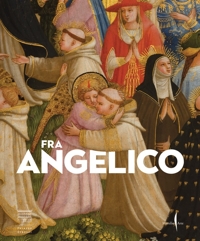
Beato Angelico
Firenze, Palazzo Strozzi, September 26, 2025 - January 25, 2026.
Edited by Carl Brandon Strehlke.
Testi di Stefano Casciu, Marco Mozzo, Angelo Tartuferi.
Venezia, 2025; bound, pp. 440, 300 col. ill., cm 25,2x29,8.
cover price: € 80.00
|
Books included in the offer:
Beato Angelico
Firenze, Palazzo Strozzi, September 26, 2025 - January 25, 2026.
Edited by Carl Brandon Strehlke.
Testi di Stefano Casciu, Marco Mozzo, Angelo Tartuferi.
Venezia, 2025; bound, pp. 440, 300 col. ill., cm 25,2x29,8.
FREE (cover price: € 80.00)
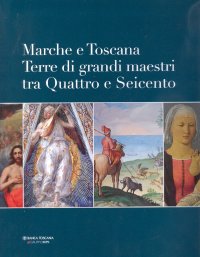
Marche e Toscana. Terre di grandi maestri tra Quattro e Seicento
Ospedaletto, 2007; bound, pp. 320, col. ill., col. plates, cm 25,5x29.
FREE (cover price: € 77.00)
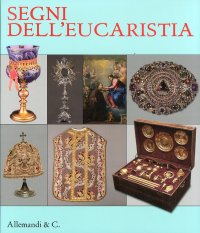
Segni dell'Eucarestia
Edited by M. Luisa Polichetti.
Ancona, Osimo, Loreto Jesi, Senigallia, Fabriano e Metelica, 23 giugno - 31 ottobre 2011.
Torino, 2011; paperback, pp. 221, b/w and col. ill., cm 24x28.
FREE (cover price: € 32.00)
Caravaggio and His Followers in Rome
Franklin David - Schutze Sebastian
Yale University Press
Ottawa, National Gallery of Canada, 17 Giugno-11 Settembre 2011.
Forth Worth, The Kimbell Art Museum, 9 Ottobre-8 Gennaio 2012.
English Text.
London, 2011; paperback, pp. 334, col. plates, cm 22x27.
ISBN: 0-88884-891-9 - EAN13: 9780888848918
Subject: Monographs (Painting and Drawing)
Period: 1400-1800 (XV-XVIII) Renaissance
Languages: 
Weight: 1.59 kg
Caravaggio's influence was greatest in Rome, where his works were seen by the largest and most international group of artists, and was at its peak in the early decades of the 17th century both before and after his untimely death at the age of 39. Not since Michelangelo or Raphael has one European artist affected so many of his contemporaries and over such broad geographic territory. Essays by an array of major Caravaggio scholars illuminate the underlying principles of the exhibit, reveal how Caravaggio altered the presentation and interpretation of many traditional subjects and inspired unusual new ones, and explore the artist's legacy and how he irrevocably changed the course of painting.

Pietro Bellotti Detto Canaletty. Un Vedutista Veneziano nella Francia dell'Ancien Régime
Gli occhi dell'arte. Scritti, studi e opere in onore di Ferdinando Peretti. Ediz. italiana e inglese

Conte e Mattarella. Sul palcoscenico e dietro le quinte del Quirinale. Un racconto sulle istituzioni
