






 LATEST ART BOOKS
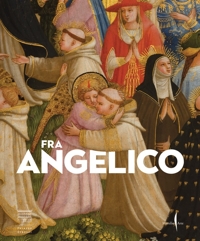
Beato Angelico. Ediz. a colori
Firenze, Palazzo Strozzi, September 26, 2025 - January 25, 2026.
Edited by Carl Brandon Strehlke.
Testi di Stefano Casciu, Marco Mozzo, Angelo Tartuferi.
Venezia, 2025; hardback, pp. 440, 300 col. ill., cm 25,2x29,8.
cover price: € 80.00
|
Books included in the offer:
Beato Angelico. Ediz. a colori
Firenze, Palazzo Strozzi, September 26, 2025 - January 25, 2026.
Edited by Carl Brandon Strehlke.
Testi di Stefano Casciu, Marco Mozzo, Angelo Tartuferi.
Venezia, 2025; hardback, pp. 440, 300 col. ill., cm 25,2x29,8.
FREE (cover price: € 80.00)
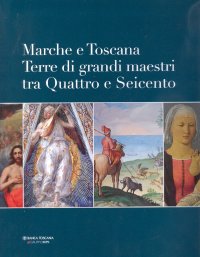
Marche e Toscana. Terre di grandi maestri tra Quattro e Seicento
Ospedaletto, 2007; bound, pp. 320, col. ill., col. plates, cm 25,5x29.
FREE (cover price: € 77.00)
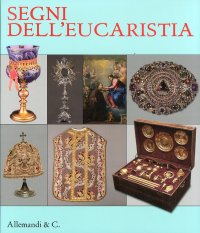
Segni dell'Eucarestia
Edited by M. Luisa Polichetti.
Ancona, Osimo, Loreto Jesi, Senigallia, Fabriano e Metelica, 23 giugno - 31 ottobre 2011.
Torino, 2011; paperback, pp. 221, b/w and col. ill., cm 24x28.
FREE (cover price: € 32.00)
Uncovering the Germanic Past. Merovingian Archaeology in France, 1830-1914
Effros Bonnie
Oxford University Press
Oxford, 2012; hardback, ill., cm 17x24.
ISBN: 0-19-969671-3 - EAN13: 9780199696710
Subject: Essays (Art or Architecture)
Extra: French Art and Culture
Languages: 
Weight: 0.73 kg
Uncovering the Germanic Past brings to light an unexpected side-effect of France's nineteenth-century Industrial Revolution. While laying tracks for new rail lines, quarrying for stone, and expanding lands under cultivation, French labourers uncovered bones and artefacts from long-forgotten cemeteries. Although their original owners were unknown, research by a growing number of amateur archaeologists of the bourgeois class determined that these were the graves of Germanic 'warriors', and their work, presented in provincial learned societies across France, documented evidence for significant numbers of Franks, Burgundians, and Visigoths in late Roman Gaul. They thus challenged prevailing views in France of the population's exclusively Gallic ancestry, contradicting the influential writings of Parisian historians like Augustin Thierry and Numa-Denis Fustel de Coulanges. Although some scholars drew on this material evidence to refine their understanding of the early ancestors of the French, most ignored, at their peril, inconvenient finds that challenged the centrality of the ancient Gauls as the forebears of France.

Gli occhi dell'arte. Scritti, studi e opere in onore di Ferdinando Peretti. Ediz. italiana e inglese

Guerra e resistenza. Tra fame, razionamenti e borsa nera: l'incognita costante del mangiare
Giovanni Bernardo Carbone 1616-1683. Un ritrattista «alla moda» nella Genova di metà Seicento
Museo della Ceramica Contemporanea Mediterranea di Cava de' Tirreni. Ediz. a colori
Conte e Mattarella. Sul palcoscenico e dietro le quinte del Quirinale. Un racconto sulle istituzioni
