




 LATEST ART BOOKS
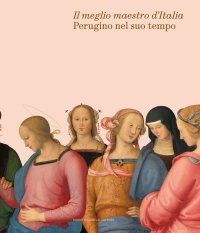
Perugino e il Suo Tempo. "Il Meglio Maestro d'Italia"
Perugia, Galleria Nazionale dell'Umbria, March 4 - June 11, 2023.
Edited by Picchiarelli V. and Pierini M.
Milano, 2023; bound, pp. 592, 650 col. ill., cm 24x21.
cover price: € 40.00
|
Books included in the offer:
Perugino e il Suo Tempo. "Il Meglio Maestro d'Italia"
Perugia, Galleria Nazionale dell'Umbria, March 4 - June 11, 2023.
Edited by Picchiarelli V. and Pierini M.
Milano, 2023; bound, pp. 592, 650 col. ill., cm 24x21.
FREE (cover price: € 40.00)
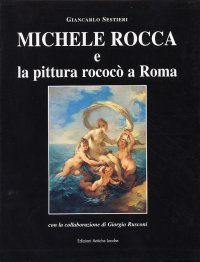
Michele Rocca e la pittura rococo a Roma
Brescia, 2004; bound in a case, pp. 310, b/w and col. ill., tavv., cm 24,5x31,5.
FREE (cover price: € 180.00)
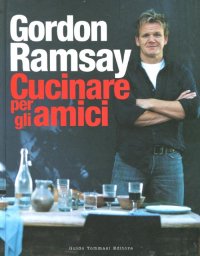
Cucinare per gli amici
Translation by S. Mancuso.
Milano, 2012; clothbound, pp. 269, ill., cm 21x26,5.
(Gli Illustrati).
FREE (cover price: € 29.90)
Food for the Ancestors. Flowers for the Gods. Transformations of Archaistic Bronzes in China and Japan
Donatella Failla
SAGEP
English Text.
Genova, 2018; paperback, pp. 368, b/w and col. ill., cm 24x27,5.
(Sagep Arte).
series: Sagep Arte
ISBN: 88-6373-575-1 - EAN13: 9788863735758
Subject: Collections,Design,Essays (Art or Architecture),Jewellery (Jewels, Precious Metals)
Places: Out of Europe
Extra: Oriental Art and Culture
Languages: 
Weight: 1.98 kg
Besides documenting the plurisecular, multifaceted Chinese interest in Antiquity, the Chiossone collection also attests to the Japanese taste and tradition of gathering Chinese bronze vessels between the 13th and 19th centuries, that is, from the Kamakura and Muromachi periods up to the Meiji era. Initially cultivated by Buddhist clergy in the Kamakura period and then passing to the military aristocracy of the Muromachi period, this collecting tradition spread in the 16th century amongst the masters of flower arrangement and of chanoyu ???, the tea ceremony, and, from the mid-18th century until the late 19th century, amongst the senchajin ??? and bunjin ??, adepts of the 'way of steeped tea' (senchado) and men of letters, respectively, who fervently admired Chinese civilization