






 NOVITA' ARTE
Beato Angelico
Firenze, Palazzo Strozzi, 26 settembre 2025 - 25 gennaio 2026.
A cura di Carl Brandon Strehlke.
Testi di Stefano Casciu, Marco Mozzo, Angelo Tartuferi.
Venezia, 2025; ril., pp. 440, 300 ill. col., cm 25,2x29,8.
prezzo di copertina: € 80.00

|
Libri compresi nell'offerta:
Beato Angelico
Firenze, Palazzo Strozzi, 26 settembre 2025 - 25 gennaio 2026.
A cura di Carl Brandon Strehlke.
Testi di Stefano Casciu, Marco Mozzo, Angelo Tartuferi.
Venezia, 2025; ril., pp. 440, 300 ill. col., cm 25,2x29,8.
OMAGGIO (prezzo di copertina: € 80.00)
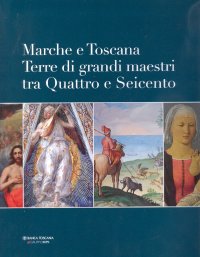
Marche e Toscana. Terre di grandi maestri tra Quattro e Seicento
Ospedaletto, 2007; ril., pp. 320, ill. col., tavv. col., cm 25,5x29.
OMAGGIO (prezzo di copertina: € 77.00)
Segni dell'Eucarestia
A cura di M. Luisa Polichetti.
Ancona, Osimo, Loreto Jesi, Senigallia, Fabriano e Metelica, 23 giugno - 31 ottobre 2011.
Torino, 2011; br., pp. 221, ill. b/n e col., cm 24x28.
OMAGGIO (prezzo di copertina: € 32.00)

Food for the Ancestors. Flowers for the Gods. Transformations of Archaistic Bronzes in China and Japan
Donatella Failla
SAGEP
Testo Inglese.
Genova, 2018; br., pp. 368, ill. b/n e col., cm 24x27,5.
(Sagep Arte).
collana: Sagep Arte
ISBN: 88-6373-575-1 - EAN13: 9788863735758
Soggetto: Collezioni,Design,Oreficeria (Argento, Gemme, Gioielli, Oro),Saggi (Arte o Architettura)
Luoghi: Extra Europa
Extra: Arte Orientale & Indiana
Testo in: 
Peso: 1.98 kg
Besides documenting the plurisecular, multifaceted Chinese interest in Antiquity, the Chiossone collection also attests to the Japanese taste and tradition of gathering Chinese bronze vessels between the 13th and 19th centuries, that is, from the Kamakura and Muromachi periods up to the Meiji era. Initially cultivated by Buddhist clergy in the Kamakura period and then passing to the military aristocracy of the Muromachi period, this collecting tradition spread in the 16th century amongst the masters of flower arrangement and of chanoyu ???, the tea ceremony, and, from the mid-18th century until the late 19th century, amongst the senchajin ??? and bunjin ??, adepts of the 'way of steeped tea' (senchado) and men of letters, respectively, who fervently admired Chinese civilization


Santa Maria dell'Anima. Dinamiche Sociali e Arte di una Comunità Straniera a Roma tra '400 e '600
